Last updated November 20, 2026
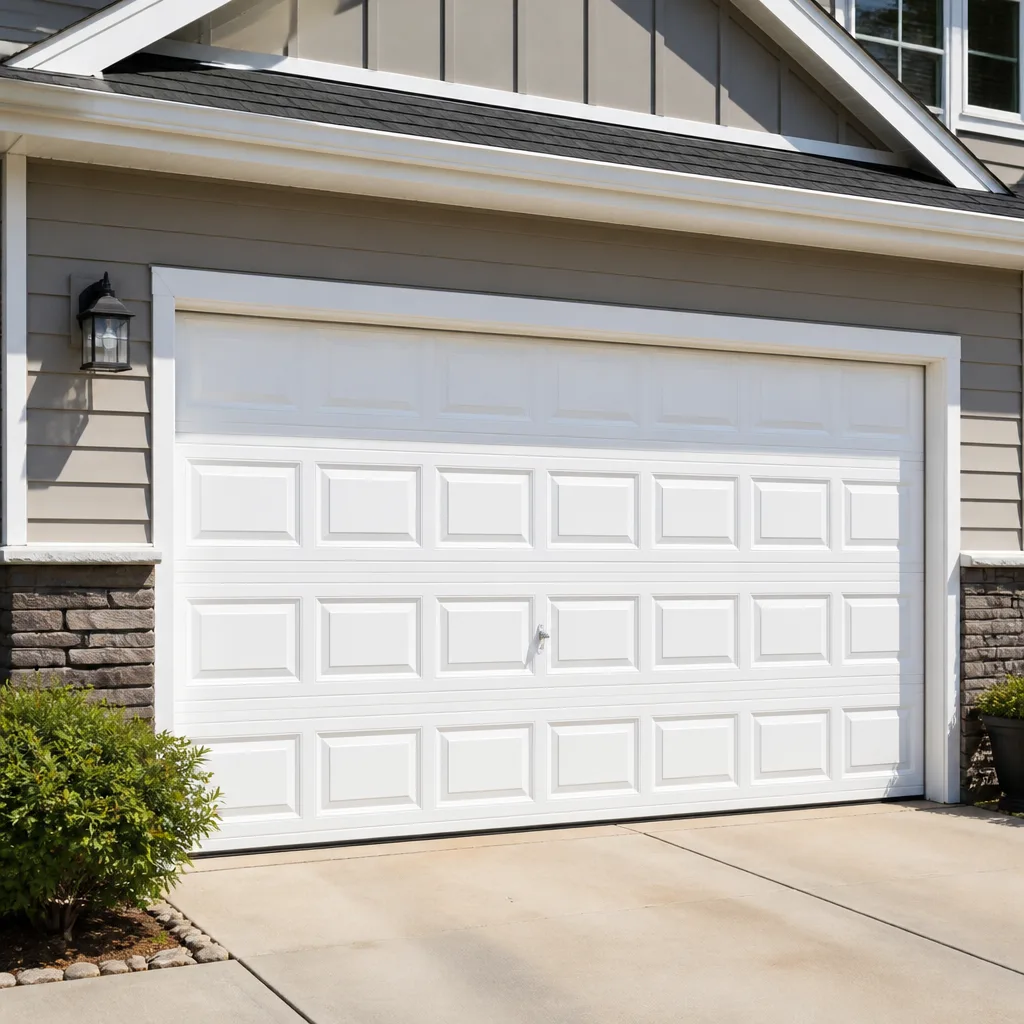 Raised-panel steel
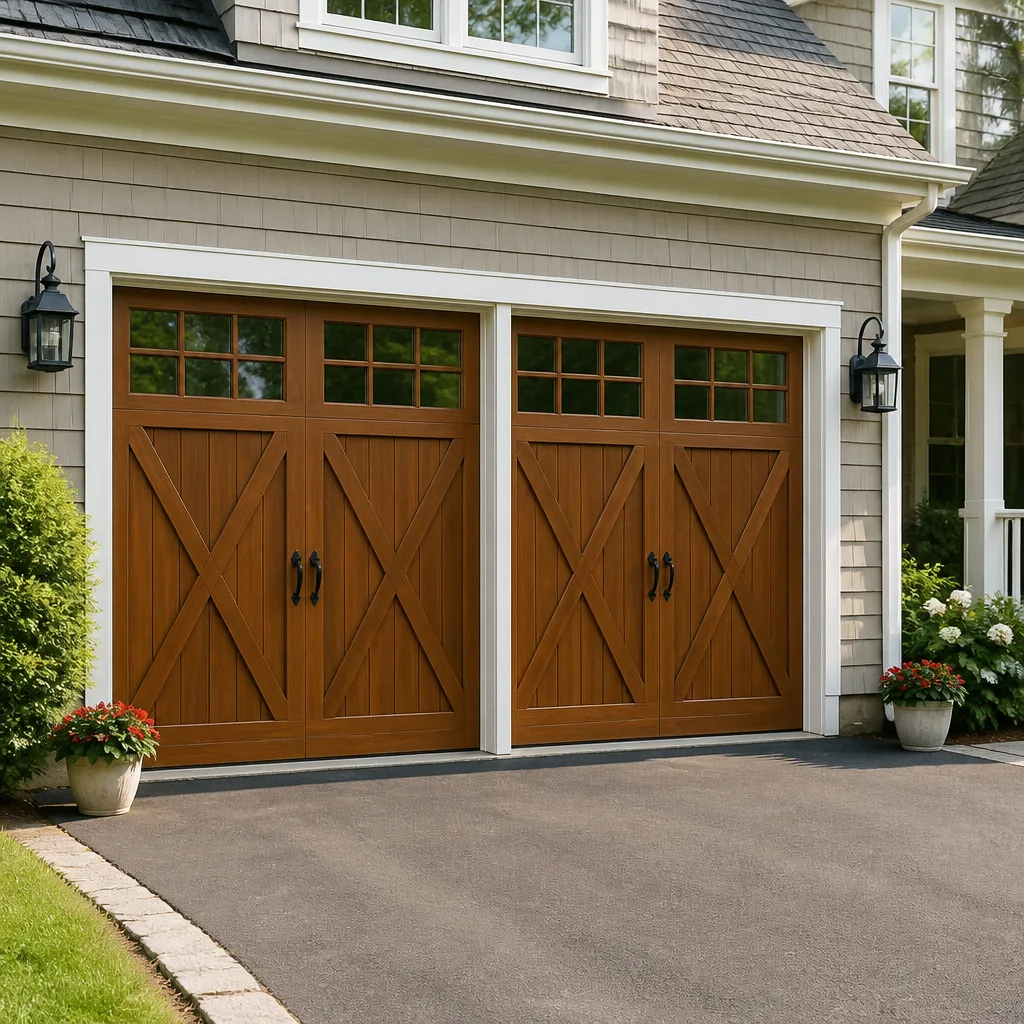 Carriage house
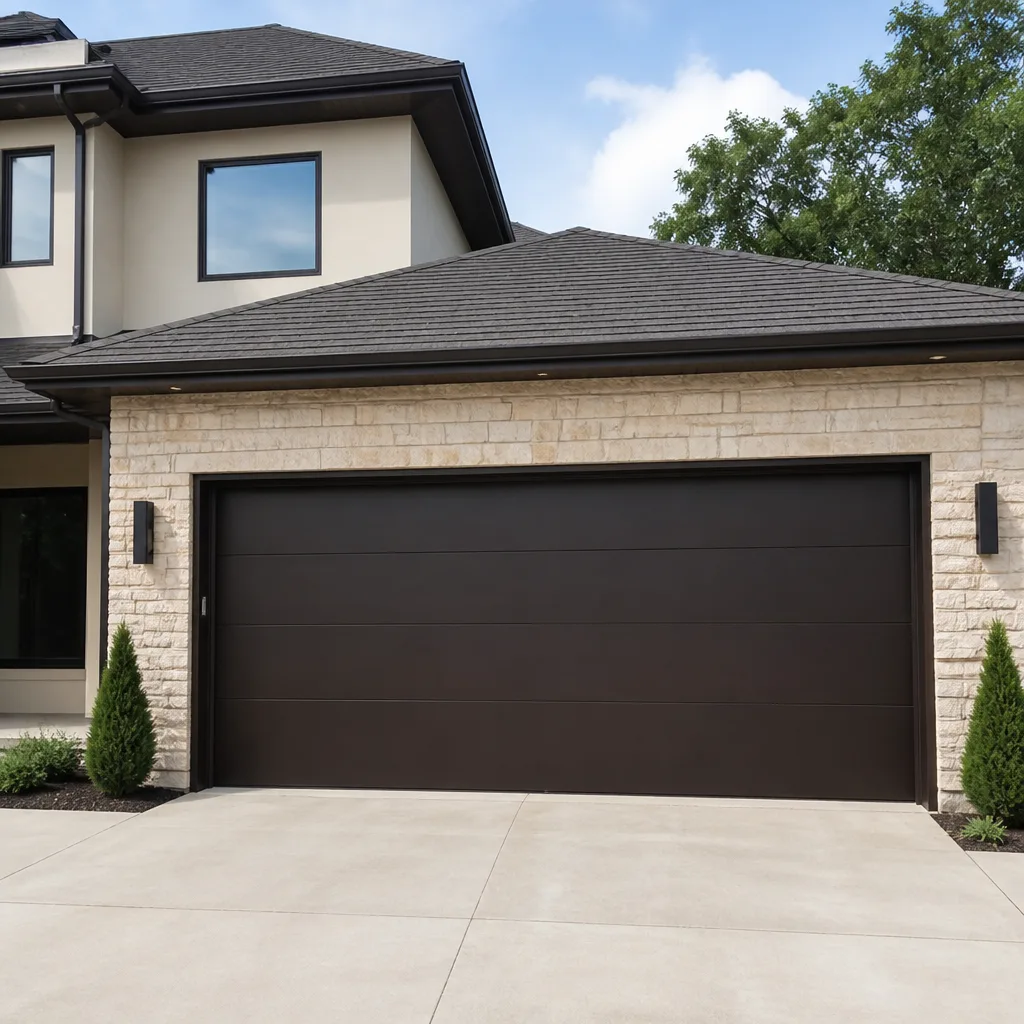 Modern flush
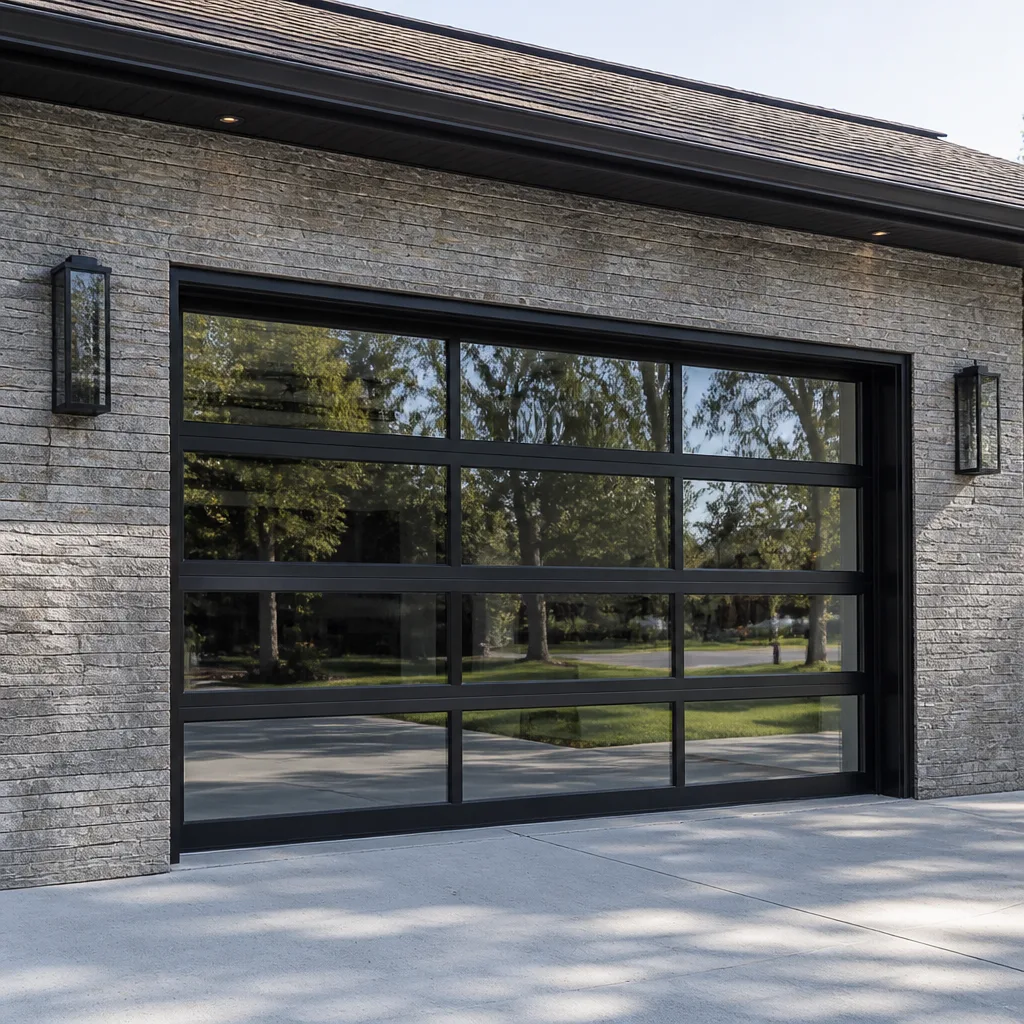 Full-view glass
 LiftMaster openers
 Chamberlain openers
Full 25-point door and opener safety check with every visit - springs, cables, rollers, tracks, and your LiftMaster or Chamberlain opener included
You get a price before we start. It does not change when the pro arrives.
Get your free estimateHow to Hire a Garage Door Contractor in Mechanicsville: A Step-by-Step Guide
Virginia does not require a specialty contractor license specifically for garage door work. That means anyone with a truck and a tool bag can legally take your job, and the state won’t ask to see a single credential first. The qualification filter has to come from you. Most homeowners in Mechanicsville hire the first name that answers the phone when a door sticks open in the rain, then find out later whether that person knew a Wayne Dalton TorqueMaster from a standard torsion setup. This guide is the filter. You’ll get the exact license-lookup steps through Virginia’s contractor database, the brand questions that separate trained specialists from opportunists, a way to read a quote line by line, and the warranty language worth walking away from. None of it requires a technical background.
Quick Answer
To hire a garage door contractor in Mechanicsville safely, verify the company’s Class A, B, or C contractor license through the Virginia DPOR database, ask brand-specific questions about the opener and door hardware in your garage, and insist on a written, itemized quote before any work starts. A legitimate contractor will welcome all three checks. Anyone who dodges the license lookup, refuses to itemize spring specs, or pressures you to replace when repair is possible is telling you what the job will be like.
Styles & brands we work with
- Raised-panel steel
- Carriage house
- Modern flush
- Full-view glass
- LiftMaster openers
- Chamberlain openers
Table of Contents
- Step 1: Verify the Contractor’s License Through Virginia DPOR
- Step 2: Ask Brand-Specific Questions Before You Book
- Step 3: Read the Repair Quote Line by Line
- Step 4: Identify OEM, Aftermarket, or Pulled Parts
- Step 5: Recognize the Garage Door Red Flags
- Step 6: Get the Warranty in Writing
- Why Mechanicsville Weather Changes What Your Door Needs
- Common Mistakes to Avoid
Step 1: Verify the Contractor’s License Through Virginia DPOR
Garage door work in Virginia usually falls under the state’s general contractor licensing structure rather than a garage-door-specific specialty license. That means the license you’ll find may be a Class A, B, or C contractor license, and the class determines the size of jobs the holder can legally take. You want to see a license before work begins, not after, and you want to confirm it against the state database yourself rather than trusting a number printed on a business card.
The verification runs through the Virginia Department of Professional and Occupational Regulation, or DPOR. Their online lookup is free and open to the public. Here’s the sequence:
- Go to the DPOR license lookup on the state website and search by the company’s business name, not just the individual’s name.
- Confirm the license is current, not expired or lapsed.
- Note the class: Class A covers projects of any value, Class B is capped lower, and Class C is the smallest tier. A spring replacement or opener repair fits comfortably in Class C ranges, but the class tells you the operator is actually licensed and tracked.
- Check for any disciplinary actions listed in the record. DPOR posts these publicly.
- Ask for the license number in writing, then match it against what DPOR shows.
For a regular repair in Mechanicsville on a two-car door, a Class C license is the baseline. What matters more than the letter is whether the license is active and belongs to the company sending the truck. A legitimate local pro is licensed and insured as their state requires, and the better ones will hand you the DPOR lookup without being asked. Ask anyway. It sets the expectation for everything that follows.
Step 2: Ask Brand-Specific Questions Before You Book
Here’s where the field narrows fast. A garage door is not a single appliance. The opener is one manufacturer, the door and spring system is often another, and each brand has its own failure patterns, its own part numbers, and its own control boards. A company that has to Google your opener model on arrival is figuring it out on your time. A company that diagnoses by brand, not by assumption, walks in already knowing the layout.
The brands that come up most in a Mechanicsville garage are LiftMaster, Chamberlain, Genie, and Clopay, with Amarr, Wayne Dalton, Craftsman, and Raynor rounding out the list. Our technicians are trained on all eight. When you call a contractor, use brand names to test the response:
- Opener brand: “I have a LiftMaster wall-mount opener. Have you worked on the logic board on that model line?” A brand-trained tech can describe the diagnostic steps and typical failure mode. A generalist will say “we’ve seen those” without any specifics.
- Spring type: “Is my door a torsion or extension spring, and can you tell which without coming out?” Most two-car doors in this area run torsion springs on a center shaft; many single-car doors run extension springs on side tracks. The right answer starts with questions about your door’s size and year, not a guess.
- Door brand: “My door is a Clopay. Can you get factory parts for it, or are you installing aftermarket?” The answer tells you a lot about how the repair will hold up.
- ProVantage-style program authorizations: LiftMaster runs a ProVantage dealer program that gives recognized dealers direct parts access and technical support. A contractor who mentions it should be able to tell you what it actually does for you, not just use the word. If the phrase is dropped and then deflected when you ask what it means, the authorization likely isn’t real.
You don’t need to memorize manufacturer programs. You need to hear whether the person on the phone can explain what they know. Vague confidence is a warning. Specific, calm answers are the signal. Garage doors are all we do at Mechanicsville Garage Door Repair Pros, so every technician works the same three problem categories daily: door repair, opener repair, and spring repair. That focus is worth asking any contractor about. A handyman splitting time across plumbing, decks, and garage doors has less practice at the exact failure in front of you.
Step 3: Read the Repair Quote Line by Line
A repair quote tells you whether the contractor is giving you a real estimate or a number designed to close the sale. The difference usually shows up in the spring line and the labor line. Before any job in Mechanicsville, ask for a written quote and read it with these filters:
- Is labor broken out or bundled? A single “labor and materials” line hides how much you’re paying for the work versus the parts. Bundled quotes aren’t automatically bad, but an itemized quote shows the contractor knows the job.
- Are the spring specs listed? A torsion spring quote should state wire size or gauge, inside diameter, and length. A quote that just says “springs: $X” is a placeholder. The specs tell you the spring matches your door. Without them, you can’t confirm the replacement is the right capacity.
- Is the quote for one spring or a pair? This trips up a lot of homeowners. Spring pricing is typically quoted per spring. A matched pair is usually replaced together, and a pair costs about twice the per-spring range. If a quote shows a low number for two springs, ask whether both are included. If it shows a high number labeled “one spring,” ask whether your door needs the pair anyway. Many do, because a worn partner spring will fail soon after.
- Are the parts OEM or aftermarket? Ask directly. An OEM part is made by the door or opener manufacturer; aftermarket is a third-party equivalent. Aftermarket can be fine, but it should be disclosed and priced accordingly.
- Is the estimate in writing before the tech starts? The written quote is the price. The invoice should not come in above it. If a contractor resists putting numbers on paper, that’s a business you don’t want in your garage.
Our approach is to quote the price and agree on it before any work starts, in writing. If a quote leaves you with questions, that’s the contractor’s fault, not yours. A fair technician will walk you through every line until it makes sense.
Step 4: Identify OEM, Aftermarket, or Pulled Parts
What’s actually going into your door matters more than most homeowners realize, and it affects your warranty directly. There are three categories of parts, and a quote should say which one you’re getting.
- OEM (original equipment manufacturer): Made by the door or opener’s original manufacturer, like LiftMaster or Chamberlain. OEM parts usually extend the factory warranty and match the original engineering. Ask for the part number.
- Aftermarket: A compatible part made by a different manufacturer. Quality ranges widely. Aftermarket can be a good value, but the contractor should disclose it. Some manufacturers’ warranties exclude aftermarket parts installed in their systems, so if your opener is still under warranty, this matters.
- Pulled parts: Components taken from another door or opener, sometimes salvaged. These have no manufacturer backing and no real warranty beyond a handshake. A legitimate contractor shouldn’t be putting pulled springs or opener boards into a repair without saying so plainly.
Ask on the quote itself: “Are these parts OEM or aftermarket?” If the answer is “whatever we have on the truck,” you’ve learned what you need. Brand-specific knowledge matters here because a technician trained on Clopay doors and LiftMaster openers knows the correct OEM part numbers and the right fit, so the repair is done once.
Step 5: Recognize the Garage Door Red Flags
garage door spring repair is high-tension work, and the estimates around it are a common place for shady operators to push a bigger sale. The pattern is consistent. Here’s what to watch for on a quote or in the conversation:
- Vague labor line items: “Labor: $X” with no scope. You can’t judge the value, and you can’t compare two quotes.
- Refusal to itemize spring specs: If the contractor won’t tell you the gauge, diameter, and length, they either don’t know or don’t want you checking.
- Pressure to replace instead of repair: A worn spring, a noisy opener, and a bent track are repair jobs a trained tech can handle. A full door replacement should be a separate conversation with its own reasons, not a reflex.
- Price that drops with a deposit: A number that shrinks on the phone is a sign the original quote wasn’t real. The legitimate sequence is: see the door, quote the work, agree the price.
- No license on file: Run the DPOR check. No active license, no work.
- No written warranty: If the warranty is verbal only, assume it doesn’t exist.
The best defense is a written quote with the specs, parts type, and warranty spelled out. When you have that in hand, the pressure tactics don’t work, because you can read the numbers yourself and call the contractor out on anything that doesn’t add up.
Step 6: Get the Warranty in Writing
A written warranty is what stands between you and a repeat failure with no recourse. It should cover two things: parts and labor. Read it before you sign. Here’s what a reasonable warranty includes, and what exclusions to reject:
- Parts coverage: The brand or manufacturer typically warrants the part; the contractor may pass that through or add a layer. A spring might carry a manufacturer’s warranty; a LiftMaster or Genie opener board carries the manufacturer’s own. Ask how much of that warranty transfers to you.
- Labor coverage: A fair warranty covers a defined window on the contractor’s workmanship. That means if the spring fails in that window, the contractor fixes it without charging you labor again. Get that window in writing.
- Exclusions to reject: A warranty that voids for “normal wear,” “misuse,” or “force majeure” with no defined definition is a warranty that covers nothing. Reject broad exclusions that hand the contractor an escape hatch on every claim.
- OEM caveat: If your repair used aftermarket parts and the original equipment warranty excludes them, get it in writing that the contractor covers the part itself. Otherwise you inherit the gap.
Do not sign a work order that has no written warranty language and no defined labor window. A verbal promise holds until the technician leaves the driveway. We don’t claim specific warranty terms we can’t confirm in writing, and you shouldn’t sign with anyone who asks you to.
Why Mechanicsville Weather Changes What Your Door Needs
Garage doors here work harder in the summer than a lot of homeowners realize. Mechanicsville sits in central Virginia’s humid subtropical zone, which means hot, wet summers and a few weeks each year of hard freeze in winter. For a door, that cycle is the stress test.
Torsion and extension springs expand in summer heat, and metal fatigue builds over the season. The track and rollers collect humidity and dust through the wet months, which shows up as a grinding or scraping noise. Wood-core doors and some insulated panels take on moisture in the humid stretch, and the frames shift slightly as the seasons turn. None of this damages a well-maintained door on its own, but it means spring life is measured in cycles, not calendar years, and a spring that survived 10,000 cycles in a colder climate may last a different span here. Your garage door opener also runs in the heat, and older logic boards on legacy openers can drop out in a hot garage. When you’re reading a quote or planning maintenance, ask the contractor how the repair holds up through a Mechanicsville summer, and whether the spring spec accounts for your door’s weight and cycles. That’s a question a trained tech answers from the door, not a guess.
Common Mistakes to Avoid
- Skipping the DPOR check. It’s free and takes two minutes. Homeowners who skip it sometimes find out after the job that the license was inactive.
- Calling the first number without asking about brand. A garage door is brand-specific equipment. A generic technician is diagnosing from scratch on your time.
- Accepting a phone quote as final. A quote taken over the phone without seeing the door is a placeholder. The real number gets set on-site, in writing, before any work.
- Not asking whether spring pricing is per spring or a pair. This is the single most common way a spring quote reads low and the invoice reads high. Ask about the pair.
- Not reading the warranty before signing. A verbal promise has no teeth. Get the parts and labor language in writing and read the exclusions.
- Greenlighting a full replacement on a repair job. A door that’s repairable shouldn’t be sold as a replacement without a real reason that’s explained to you.
- Ignoring whether the parts are OEM or aftermarket. Ask before you sign, not after. It affects your warranty and how the repair holds up.
See the difference
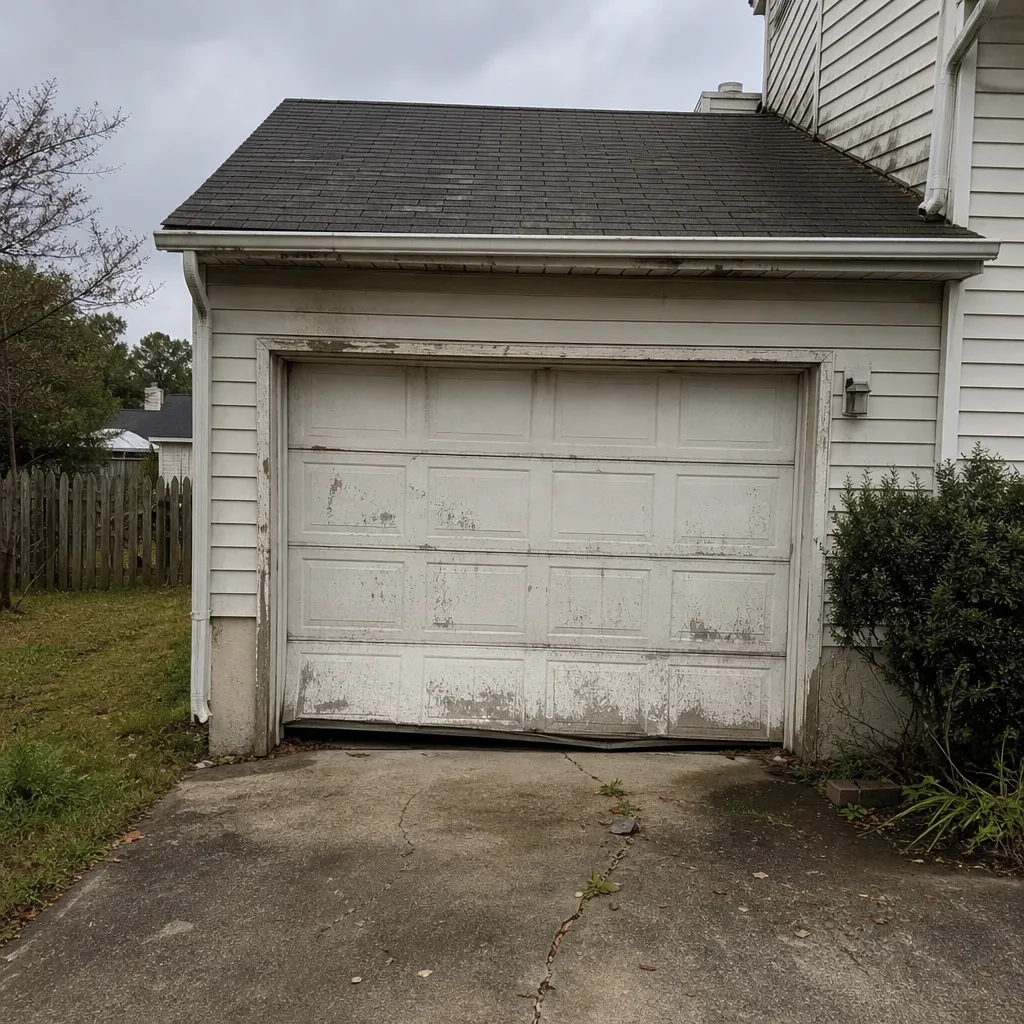 Before
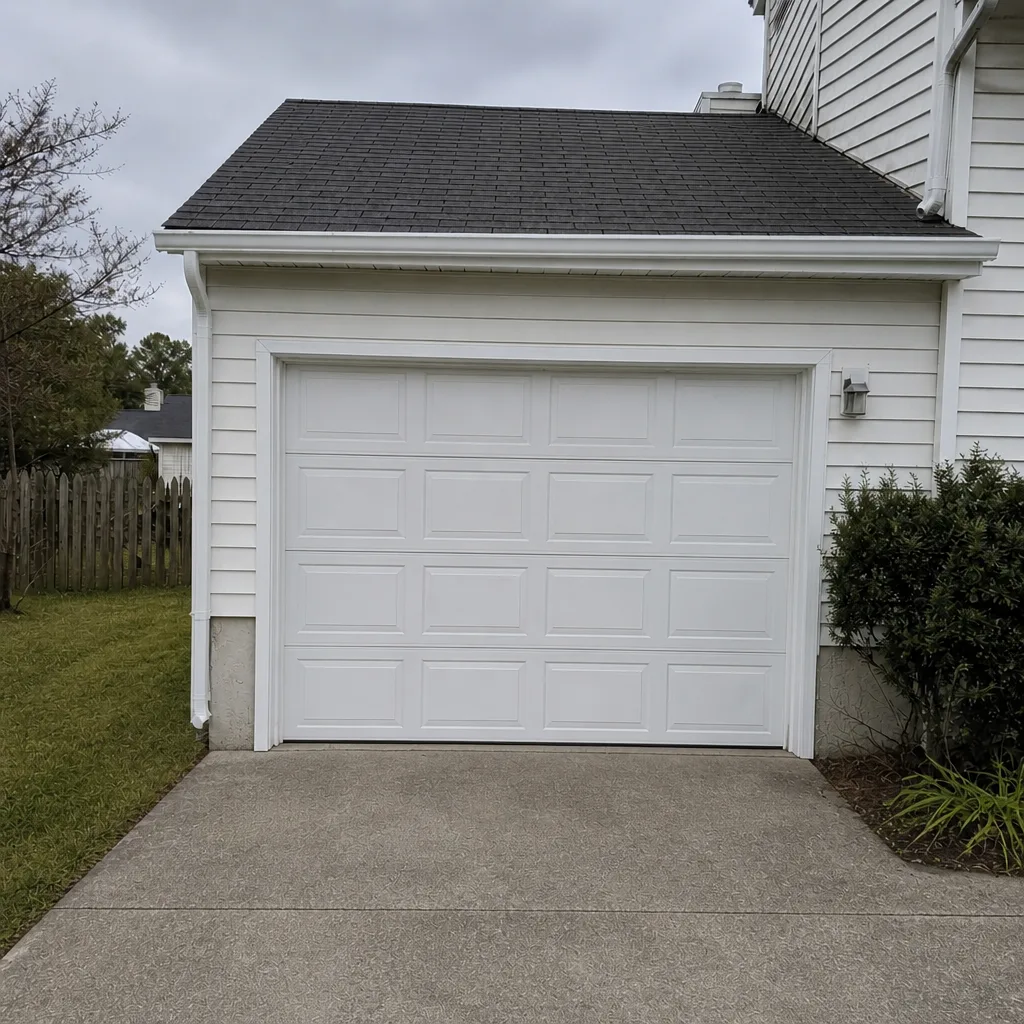 After
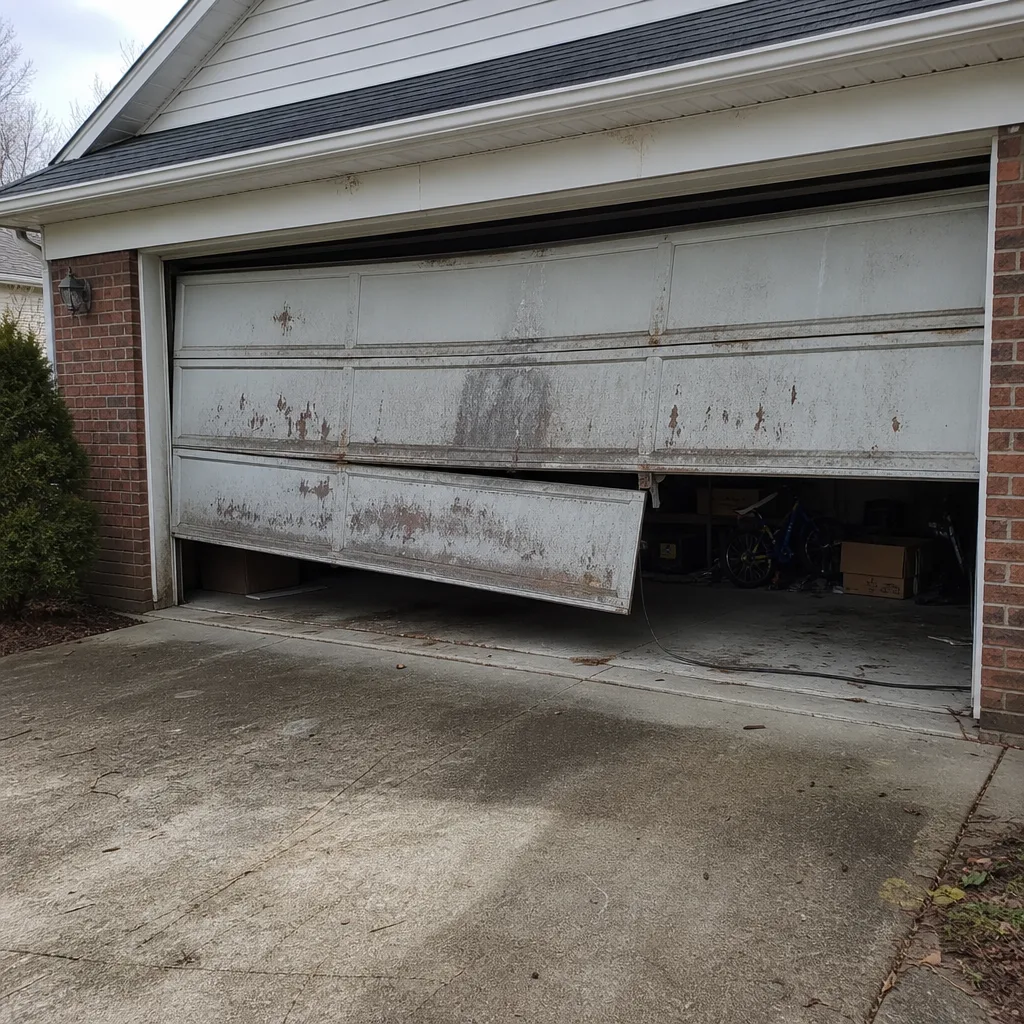 Before
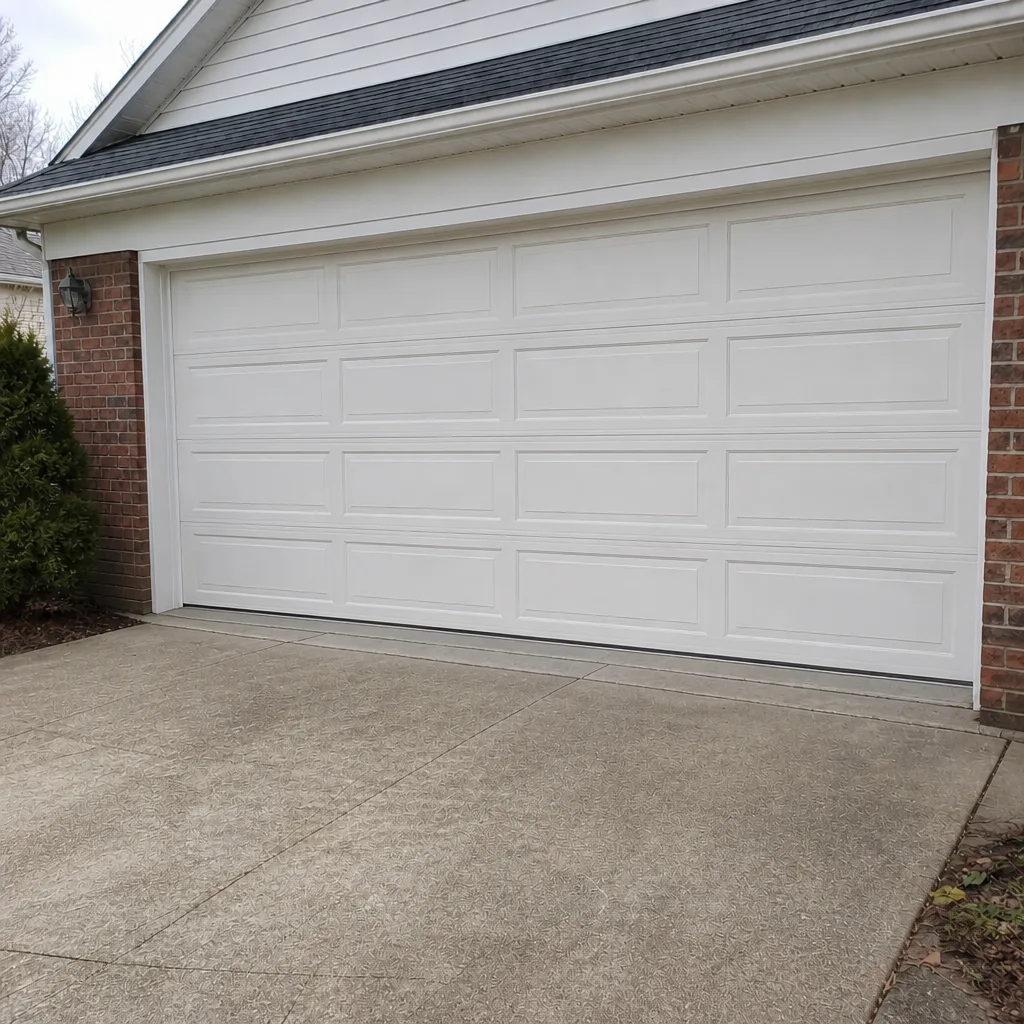 After
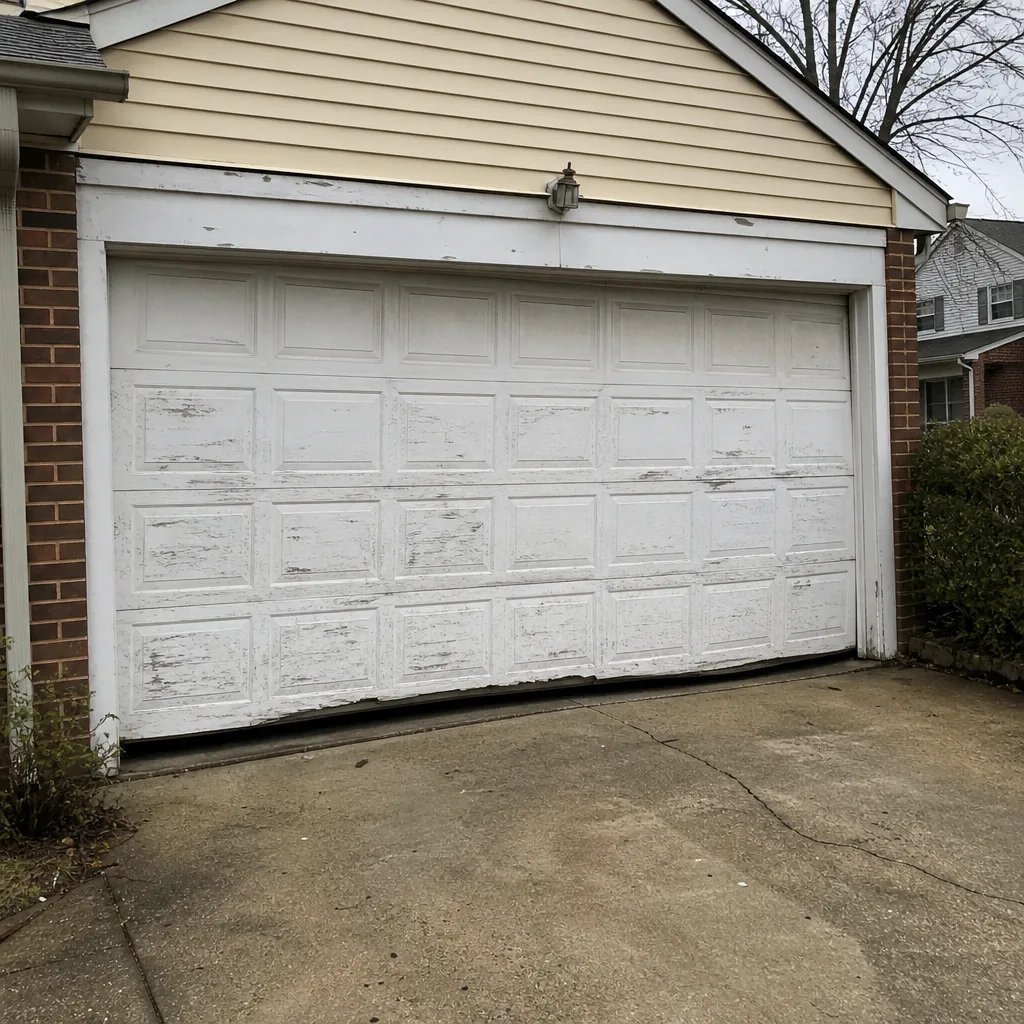 Before
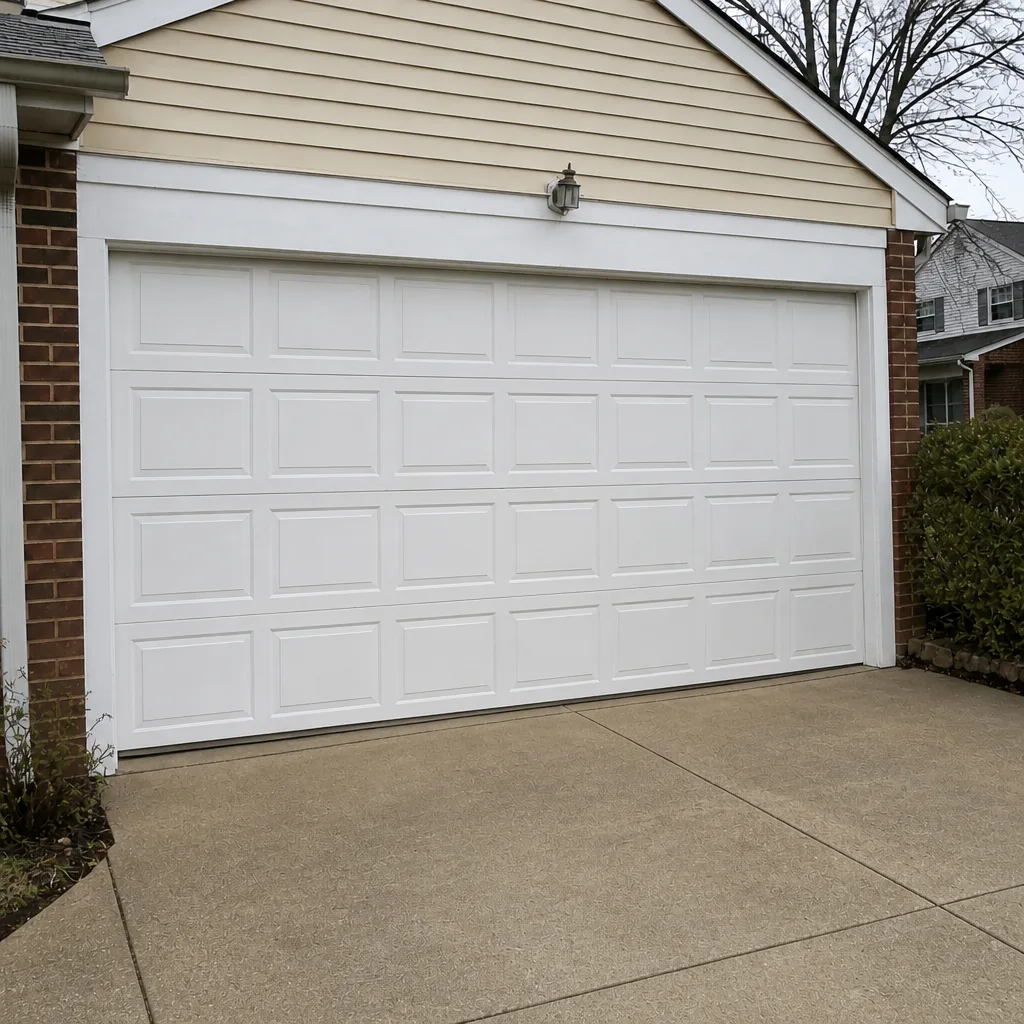 After
When to Call a Professional
A garage door that won’t open, won’t close, or sounds wrong when it moves is a call to a pro, not a project for a weekend afternoon. The springs involved are high-tension components that can recoil with serious injury risk if handled without the right tools, so a trained technician is the right move even when the fix looks simple. Call us when you’re dealing with a door stuck halfway, a grinding or scraping track, a snapped spring, an opener that clicks but won’t lift, or a door that reverses for no visible reason. If you’re in Mechanicsville and want garage door opener repair done brand-correct, or you’re weighing whether to repair the door at all, call before the failure gets worse. Mechanicsville Garage Door Repair Pros offers free estimates in Mechanicsville – call (855) 600-1041. We’ll quote the price and agree on it before any work starts.
Frequently Asked Questions
No. Virginia doesn’t have a garage-door-specific specialty license. Garage door contractors typically hold a general contractor license through the Virginia DPOR, classified as Class A, B, or C based on the size of jobs they can legally take. Verify the license yourself through the state DPOR database before work starts. Call (855) 600-1041 for a free estimate.
Most garage door repair jobs in Mechanicsville fall in a typical range from about $150 for a simple adjustment to well over $400 for a spring replacement or opener repair, depending on the part and the door. Spring repair is typically quoted per spring, and a matched pair costs about twice the per-spring range. Any written estimate you get sets the final price. Call (855) 600-1041 for an exact quote – estimates are free.
No, not if the contractor is straight with you. The price is quoted and agreed in writing before any work starts, and the invoice should match it. If a technician arrives and the number rises before you’ve approved a new written quote, stop and call someone else. Call (855) 600-1041 for a free, written estimate.
The local pro we connect your job with is licensed and insured as their state requires, and you should verify that yourself through Virginia DPOR before work starts. Ask for the license number in writing and match it against the database. Call (855) 600-1041 and we’ll get a diagnosed quote to you.
For repair and emergency topics, fast dispatch matters, so call and find out what’s available. We book same-day repair calls as scheduling allows from 7am to 7pm. Installations and full replacements are measured, ordered, and scheduled separately. Call (855) 600-1041 to check availability.
We work on the eight brands that come up most in local garages: LiftMaster, Chamberlain, Genie, Clopay, Amarr, Wayne Dalton, Craftsman, and Raynor. That covers LiftMaster and Chamberlain openers, Genie screw drives, Clopay and Amarr doors, and Wayne Dalton TorqueMaster systems. Call (855) 600-1041 for a brand-specific quote.
The Bottom Line
The garage door industry has no universal license in Virginia, so the qualification filter is on you: run the DPOR check, ask brand questions, and insist on a written, itemized quote before any work starts. Spring specs, OEM versus aftermarket parts, and a written parts-and-labor warranty are the lines to read closely. The right contractor welcomes all three checks; the wrong one will dodge at least one. Garage doors are all we do at Mechanicsville Garage Door Repair Pros – repair, garage door repair on doors and frames, and spring work as a high-tension specialty – and our technicians have up to 13 years of experience across those eight major brands. Call (855) 600-1041 for a free estimate in Mechanicsville. Whichever contractor you choose, get it in writing first.
Written by the team at Mechanicsville Garage Door Repair Pros.