Last updated November 20, 2026
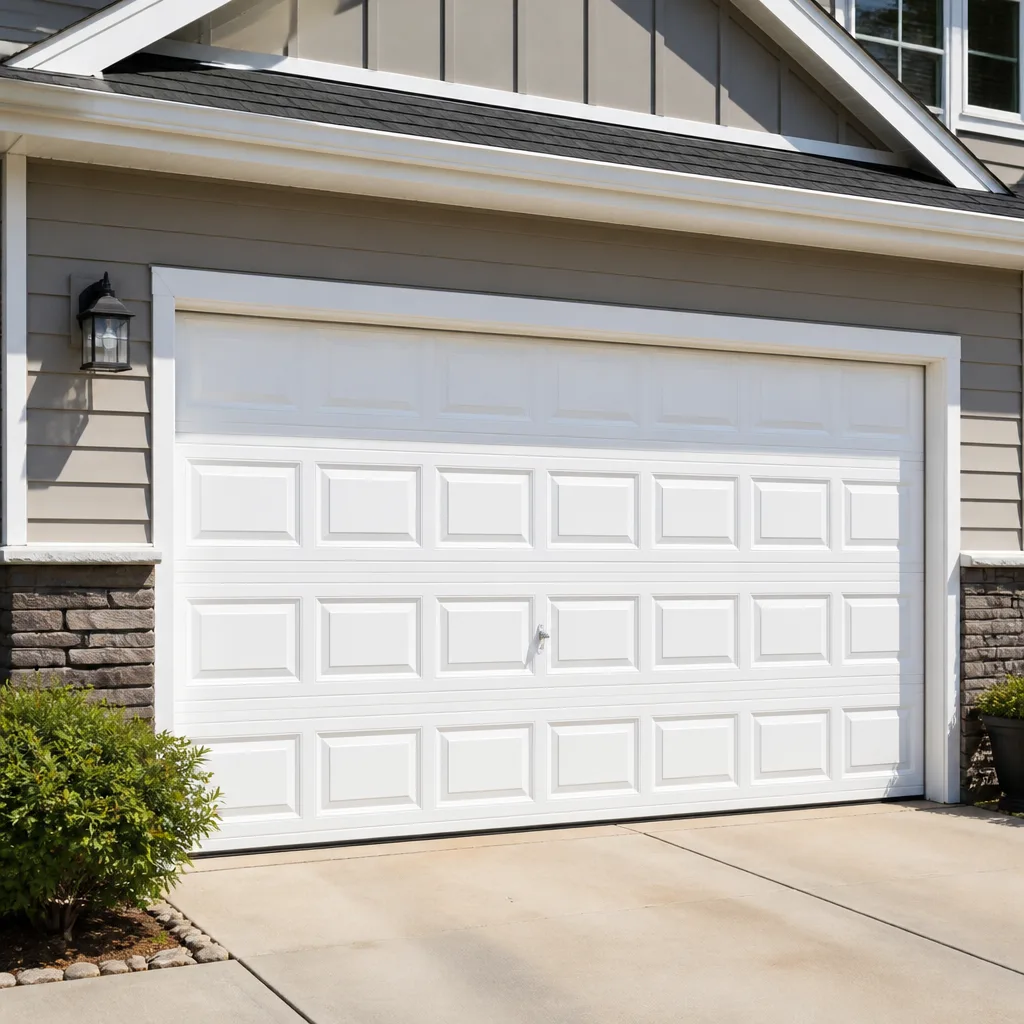 Raised-panel steel
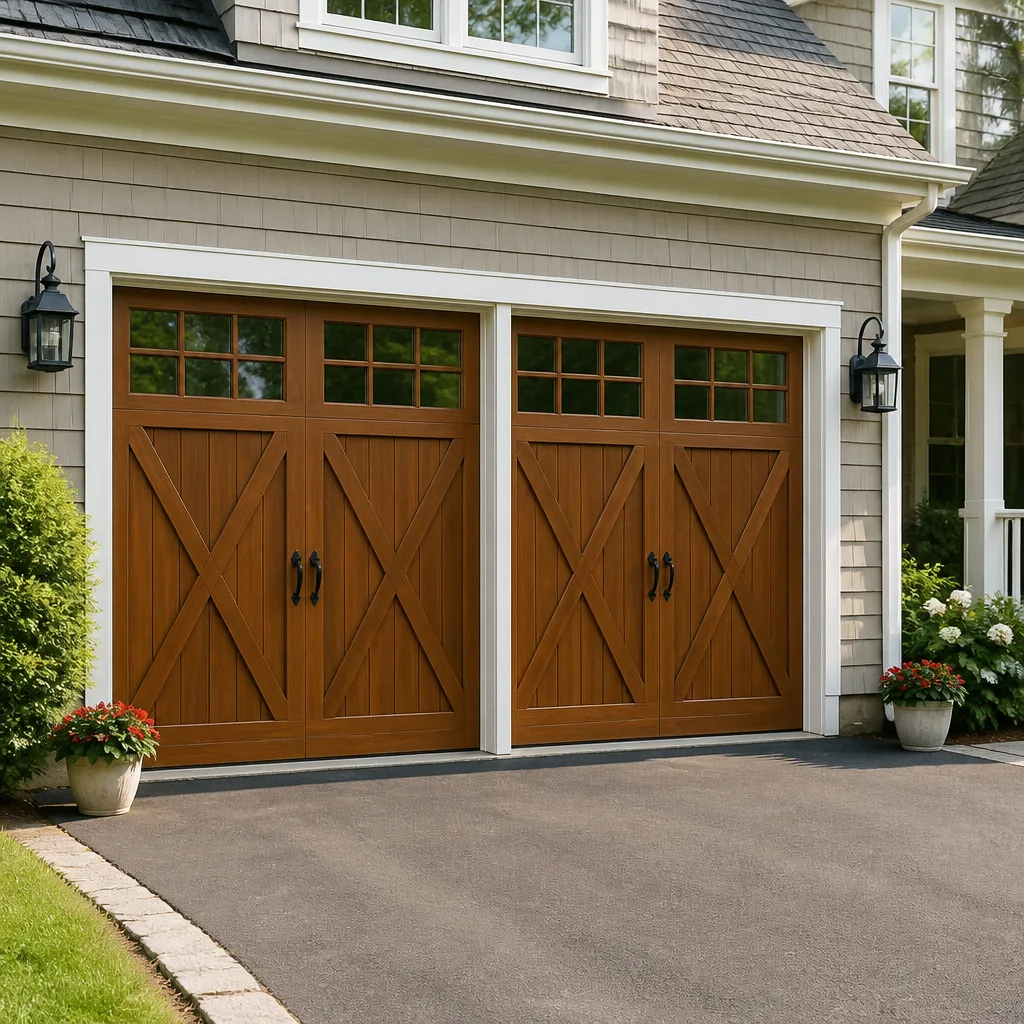 Carriage house
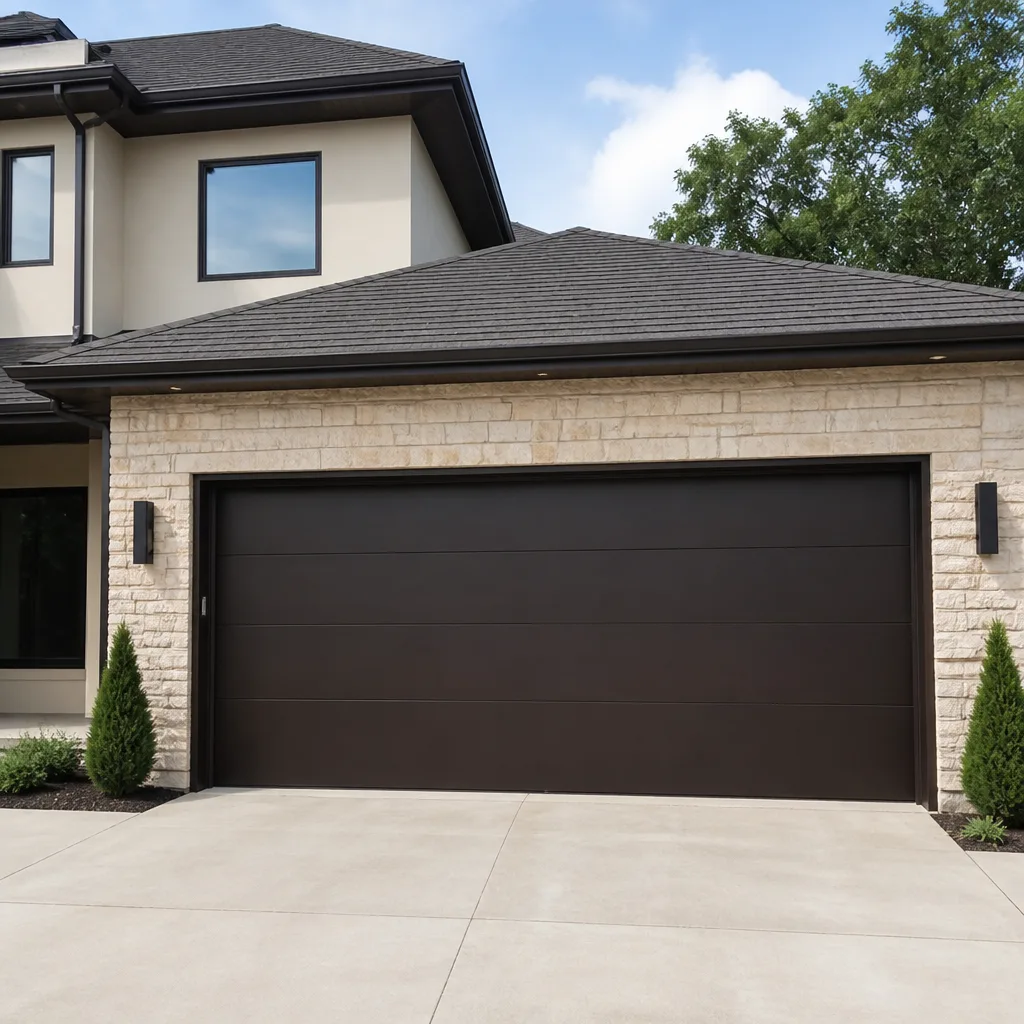 Modern flush
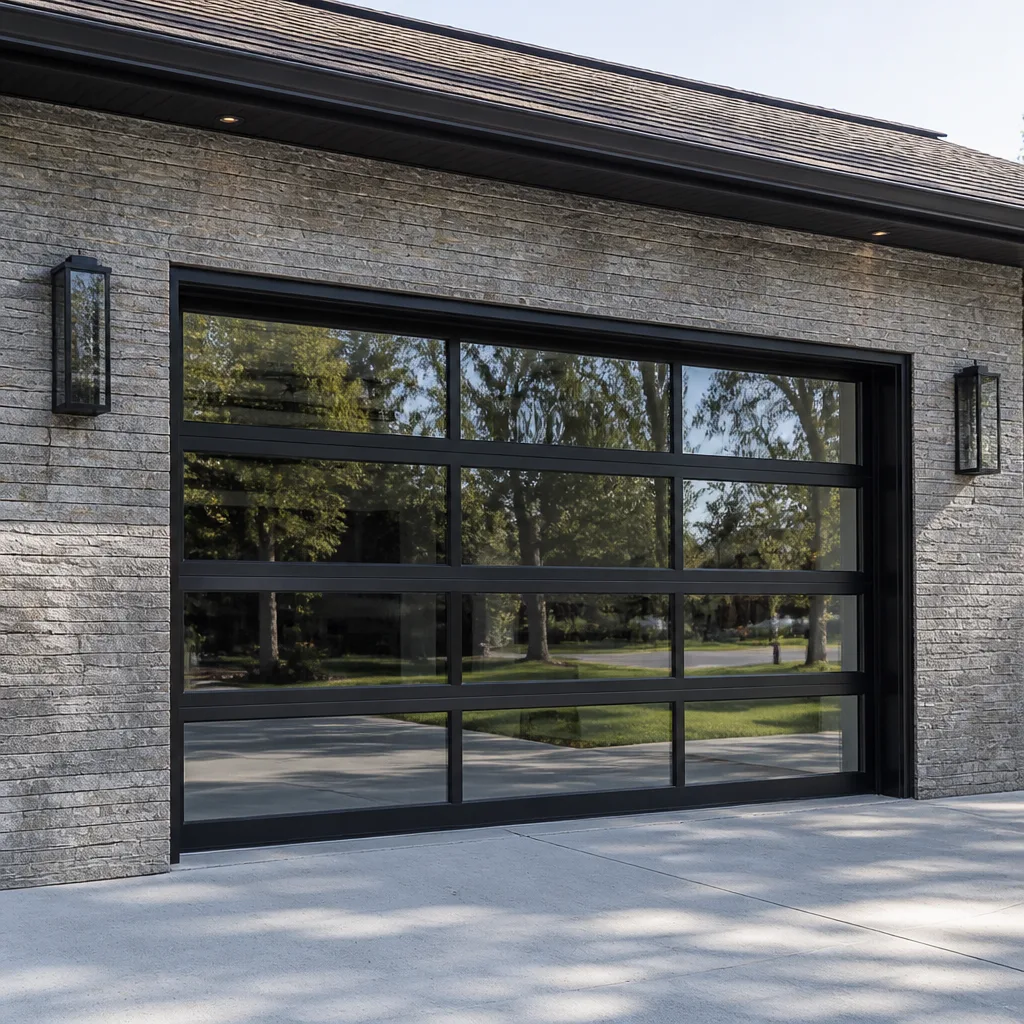 Full-view glass
 LiftMaster openers
 Chamberlain openers
Full 25-point door and opener safety check with every visit - springs, cables, rollers, tracks, and your LiftMaster or Chamberlain opener included
You get a price before we start. It does not change when the pro arrives.
Get your free estimateGarage Door Warning Signs: A Mechanicsville Homeowner’s Reference Guide
A door that shudders on the way down is usually not asking for lubrication. Most of the time that judder traces to a cable drum with a groove worn past spec, or a roller bracket that’s pulling loose from the track stile. Adding grease quiets the noise, which is exactly the problem: it masks a mechanical failure that can let the door drop. Garage doors rarely fail without warning. They telegraph the coming failure through sound, movement and opener behavior weeks before anything breaks. The trouble is that homeowners read the symptom and blame the wrong part. This guide maps each warning sign in a Mechanicsville garage to the component actually causing it, and ranks every sign by how soon you need to act.
Quick Answer
Garage door warning signs fall into three urgency tiers: cosmetic or adjustable issues you can schedule for a normal visit (a squeak, a slightly out-of-level door), signs that need attention within the week (grinding, a door that reverses on its own, a straining opener), and stop-use-immediately signs (a snapped spring, a fraying cable, a door hanging crooked off the track). Any sign in the third tier means stop operating the door and call for garage door repair before someone gets hurt or the door comes down.
Styles & brands we work with
- Raised-panel steel
- Carriage house
- Modern flush
- Full-view glass
- LiftMaster openers
- Chamberlain openers
Table of Contents
- The Symptom-to-Component Diagnostic Index
- The Three-Tier Urgency Classification
- Is It the Opener Motor or Mechanical Resistance?
- What You Can Check Without Tools
- Torsion vs. Extension Spring Warning Signs
- What Each Noise Is Telling You
- Movement Problems and What They Mean
- Common Mistakes to Avoid
- When to Call a Professional
- Frequently Asked Questions
The Symptom-to-Component Diagnostic Index
Generic “listen for unusual noises” advice doesn’t get anyone anywhere. The useful approach is to match the specific symptom to the specific part. Here’s what we mean, and what the diagnostic index looks like in practice. In our experience working on Mechanicsville doors, the same handful of symptoms account for the large majority of failures, and each one points to a narrow set of culprits.
- A sharp metallic snap followed by total loss of lift – torsion or extension spring failure. The door is dead and unsafe to operate.
- Rhythmic thumping or grinding while the door travels – worn or seized rollers, or a bent track section pinching the roller.
- A scraping squeal that rises and falls with speed – dry hinges, a dry torsion shaft bearing, or a cable riding off its drum.
- The door reverses before it reaches the floor, or stops partway up – travel limit or force settings on the opener, or a safety reversing sensor knocked out of alignment.
- The opener hums but the door doesn’t move – a stripped opener gear, a broken torsion shaft coupling, or a door locked/married to the opener by a manual slide lock left engaged.
- The door hangs crooked, one side higher – a broken spring on one side, a snapped cable, or a roller popped out of the track stile.
- The door shudders, especially on the way down – a worn cable drum, a loose roller bracket, or a bent hinge.
- The door won’t close and the opener light flashes – safety beam obstruction or a misaligned sensor, not a broken door.
When the symptom maps cleanly to a component, the repair follows quickly. When a homeowner has been greasing a worn drum or tightening a loose bracket over and over, the picture muddies and the failure keeps getting pushed closer to dangerous. That’s why a proper diagnosis matters more than a can of lubricant.
The Three-Tier Urgency Classification
Not every warning sign means “call today,” and treating them all the same causes its own problems – either panic or complacency. We classify every sign into one of three tiers. Here’s how we sort them for a Mechanicsville homeowner.
Tier 1: Schedule It for a Normal Visit
These are real signals but not emergencies. You have days to a couple of weeks.
- A light, even squeak from hinges or the torsion shaft bearing
- A door that’s slightly out of level but still travels cleanly
- A remote that responds intermittently from a short distance
- A bottom seal that’s flattening but still contacting the floor
- A minor scratch or paint chip that’s starting to show rust on a steel Clopay or Amarr door
Tier 2: Attention This Week
These signs mean something’s already wearing, and continued use worsens it.
- Grinding or thumping during travel
- A door that reverses on its own or stops partway
- An opener that sounds labored or strains at the start of travel
- A visible gap under the bottom seal, letting air and pests in
- A roller that looks worn or a bracket that’s worked loose
Tier 3: Stop Use Immediately
These are the signs that mean the door is no longer safe to operate. Stop running it and call for professional help.
- A snapped torsion or extension spring
- A fraying, kinked or slack cable
- A door that’s crooked, with one side higher than the other
- A door that’s come off the track or is hanging from a single roller
- Any visible gap between a cable and its drum with the door up
- Any spring that looks visibly separated along its coil
The line between tiers matters less than the direction of travel. A Tier 2 sign that’s getting worse each week is heading for Tier 3, and it’s cheaper to fix it before it does.
Is It the Opener Motor or Mechanical Resistance?
This is the single most common misdiagnosis we see on a Mechanicsville door. The opener gets blamed for a door that’s actually fighting resistance, and either the wrong part is replaced or a failing door keeps grinding. Fortunately you can tell the difference by ear, without tools.
An opener working against mechanical resistance sounds labored and slow to build speed. The motor strains at the very start of travel, hits a consistent rhythm of strain, and the door moves unevenly – picking up speed in the easy parts of the track and slowing where the resistance is. An opener failing internally sounds different. A healthy opener has a smooth, even sound through the whole cycle. An opener with a failing gear or motor sounds rough from the first inch of travel, or hums without moving the door at all. A smart opener – a LiftMaster or a Chamberlain – may flash a fault code on its wall control or app, which points you toward the opener. A locked-up door with no code usually points to the mechanics.
The test: disconnect the door from the opener with the manual release and try to lift it by hand. If it moves stiffly or binds at a point in the travel, the problem is mechanical. If it moves smoothly and easily, the problem is the opener. Never force a door that feels heavy; if it’s stuck or won’t lift, stop and call for garage door opener repair. We diagnose by brand, not by assumption, so a Wayne Dalton set up differently from a Craftsman gets looked at on its own terms.
What You Can Check Without Tools
You don’t need a toolbox to spot most of the early warning signs. These visual checks take a couple of minutes and tell you a lot. Do them with the door closed, and never reach into the track or spring assembly area.
Cable Fraying Criteria
Look at the cables running vertically along the sides of the door. A healthy cable is tight, uniformly wound, and free of broken strands. Red flags: individual strands visible as loose or spiraling off, a kink that doesn’t straighten when the door is closed, or a cable that looks slack. Any of these is a Tier 3 sign – move to “stop use.”
Roller Wear Indicators
Check the rollers that ride in the track. Healthy rollers are round and turn freely. Warning signs: a flat spot worn on the roller (the door will thump as it rolls past), a roller that’s visibly shifted to one side of its stem, a cracked roller (common on older nylon rollers), or a roller that’s popped out of the track.
Bottom Seal Compression Gaps
Close the door and look at the bottom seal from inside. A healthy seal compresses evenly across the whole width. A worn seal shows daylight under parts of it, a gap that’s wider at one end, or a seal that’s stiff and flat rather than pliable. The gap lets in air, water and pests, and it points to a door out of level. In Mechanicsville’s summer heat, a worn seal flattens faster than most homeowners expect, so check it in late spring each year.
Track and Hinge Sight Lines
Stand back and look along the tracks. They should be straight and evenly spaced. A track that’s visibly bent, dented, or spaced unevenly at the bottom is a warning. Loose hinges show as a bright gap between the hinge plate and the door panel.
Torsion vs. Extension Spring Warning Signs
Springs do the heavy lifting on every garage door, and their warning signs differ based on the system. The stakes differ too, so it pays to know which you have. Torsion springs sit horizontally on a shaft above the door, one or two of them, each with a winding cone at one end. Extension springs run horizontally along each side of the door, above the tracks.
Torsion Spring Warning Signs
- A sharp bang from the garage, followed by a door that won’t lift – the classic torsion failure
- A visible gap in the coil, at any point along the spring
- A torsion spring that looks relaxed or uncoiled rather than tightly wound
- A door that rises a few inches and stops, or falls slowly when released
- A winding cone that’s shifted its position
Torsion failure is loud and instant, but there are quieter warnings that come first – the door slowly losing lift, the opener working harder each week. Those are worth catching early. Spring repair is high-tension work, and this is not a component a homeowner should ever adjust. We treat it as a dedicated specialty because the safety stakes warrant it.
Extension Spring Warning Signs
- A visible gap in the coil, or a spring that hangs slack with the door closed
- A door that slams down hard when released by hand
- A spring that looks stretched compared to its sibling on the other side
- Visible rust or a broken end hook at the track attachment point
- A safety cable that’s missing, loose or slack
Extension springs fail differently – they can fly free of the track when they let go, which is why a safety cable through the center of the spring is standard. If your Mechanicsville door is missing one or it’s damaged, that belongs in Tier 2. When either system is beyond adjustment, that’s a job for garage door spring repair, and we recommend stopping use of the door until it’s been looked at.
What Each Noise Is Telling You
The sounds a door makes fall into recognizable categories, and each points at a specific component. This is the part of the reference guide we reach for most often on a first call.
- Squeal that rises and falls with speed – dry hinges, dry torsion-shaft bearings, or a cable riding the edge of its drum.
- Thump or bump at a regular rhythm – a flat-spotted or worn roller, or a worn hinge.
- Grinding that sounds like metal on metal – a seized roller, a bent track pinching a roller, or a bearing failing.
- Rattle or chatter on the way down – loose panels, a loose hinge, or a bottom bracket that’s working loose.
- Snap or bang, then silence – a spring let go. Tier 3, stop use.
- Straining hum from the opener – the opener working against mechanical resistance (see above).
- Clicking from a wall button but no motion – a safety sensor out of alignment or an obstruction in the beam.
One warning here: lubricating every noise is tempting and useful for dry hinges and bearings only. Applied to a worn drum or a failing bearing, grease makes the noise quieter while the underlying failure keeps growing. The rule of thumb we give Mechanicsville homeowners: a noise that started suddenly or that changes character from week to week is worth a professional look, not a can of silicone spray. For the doors in Mechanicsville’s older subdivisions, this tends to matter most on original hardware that’s been doing its job for a while.
Movement Problems and What They Mean
Movement tells a story too. Smooth, even, consistent travel is the sign of a healthy door. Anything else is information. Watch the door through a full open-and-close cycle and check for the following.
Slow Start or Uneven Speed
An opener that struggles at the start of travel, then speeds up, is fighting resistance. A healthy opener should build speed smoothly and hold it. An uneven door speed across the cycle points to binding in the track, worn rollers, or a torsion spring that’s lost tension. Clopay and Amarr doors can develop a slower-feeling motion as a hinge wears, so it’s worth comparing the door’s motion now with what it felt like a year ago.
Crooked Travel
A door that rises with one side higher than the other is Tier 3. The cause is almost always a broken spring on one side, a snapped or slack cable, or a roller that’s come out of its stile. The door is unbalanced and can drop. Stop using it and call.
Reversal Before Reaching the Floor
A door that hits the last few inches and then reverses is usually the safety system doing its job correctly – the opener force limit is set too low, the sensor is misaligned, or something is under the door. A door that reverses halfway up is usually a travel limit that’s drifted. Both belong on a professional diagnostic.
The Door Won’t Move at All
If the opener hums but the door doesn’t move, the opener is trying. That’s often a stripped gear or a disconnected door arm. If the opener makes no sound at all, check the wall button and the sensor first. If the door won’t open even when disconnected and lifted by hand, the mechanics have failed and shouldn’t be forced. Call for garage door repair and describe what you’re hearing so the right technician and tool set arrive.
See the difference
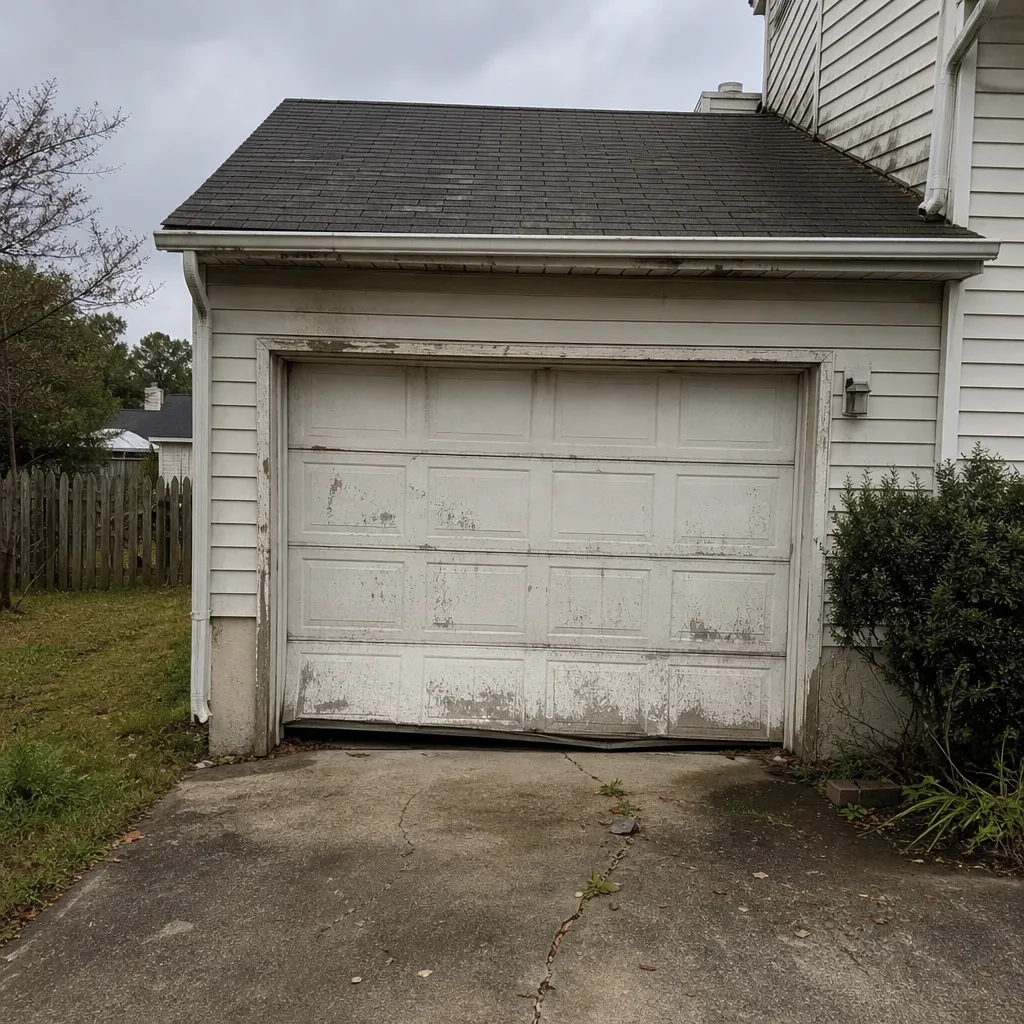 Before
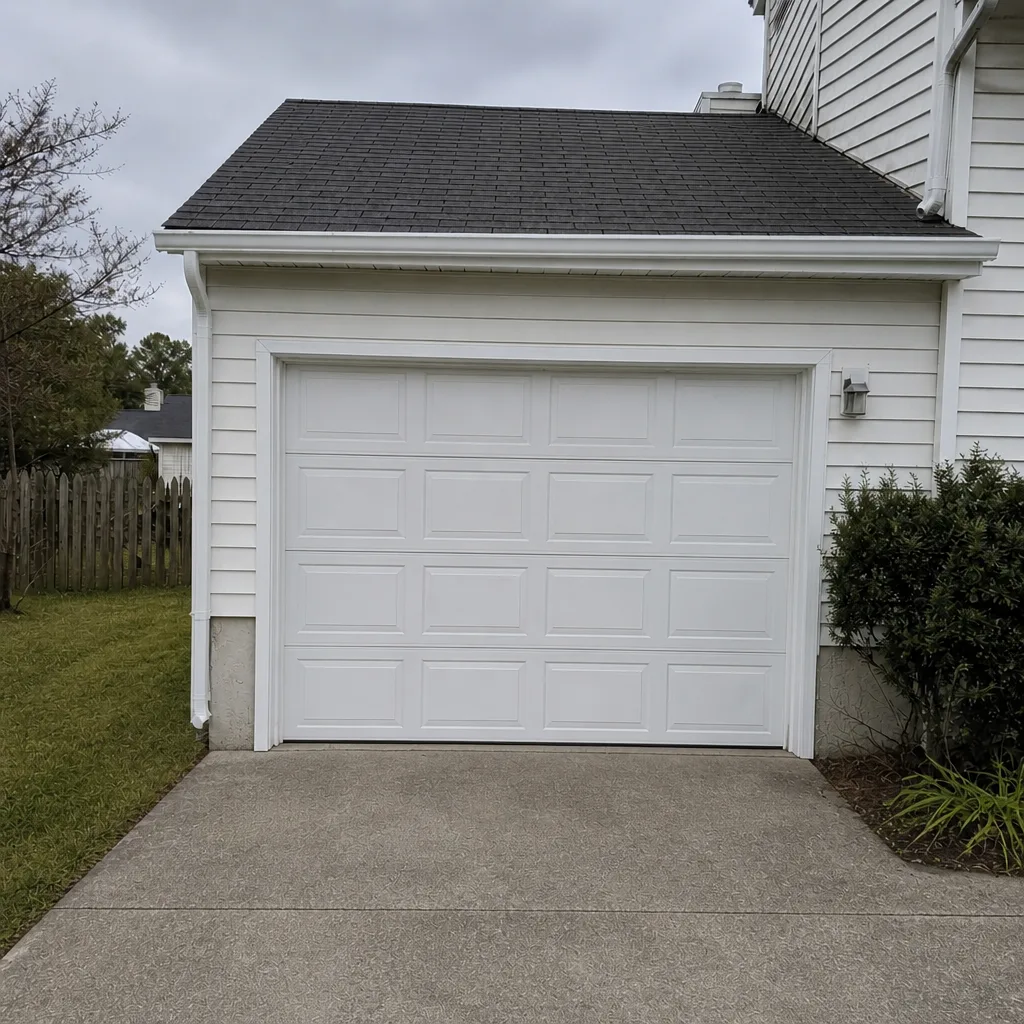 After
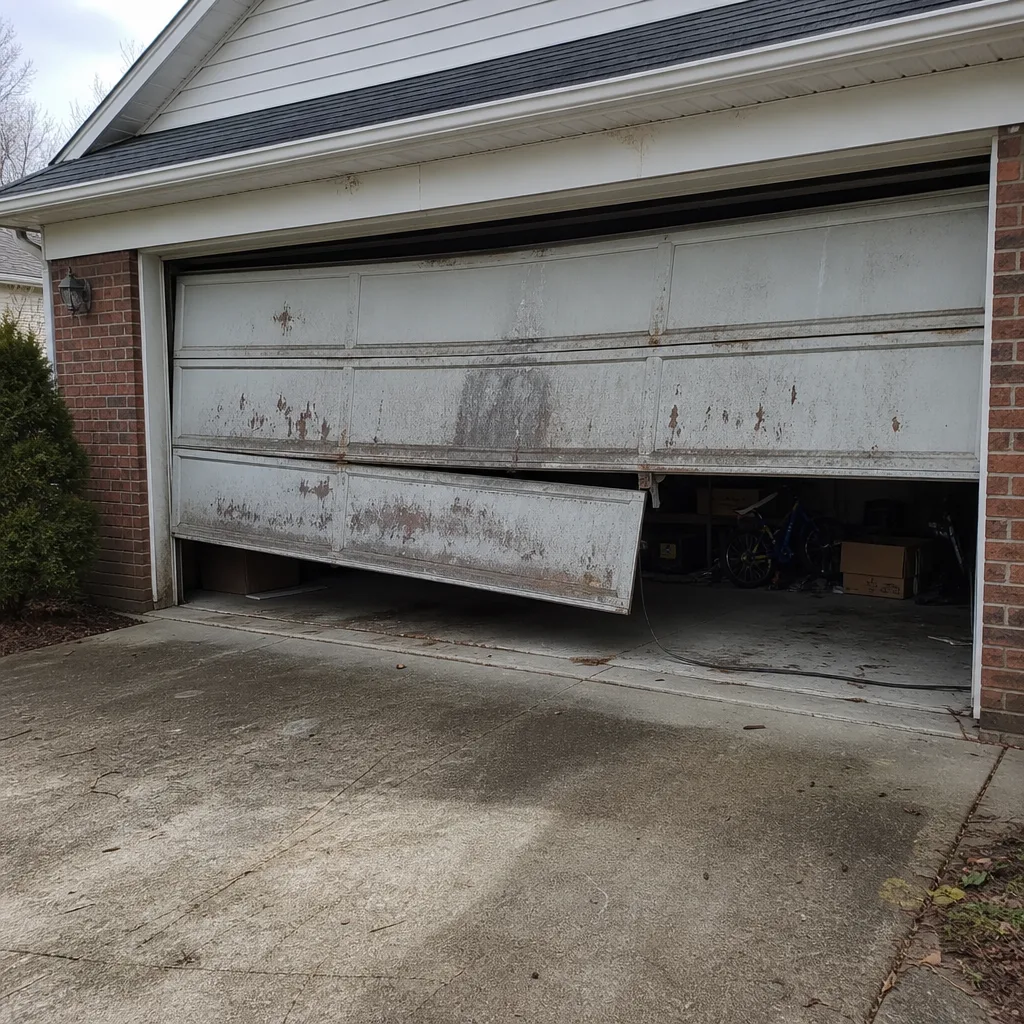 Before
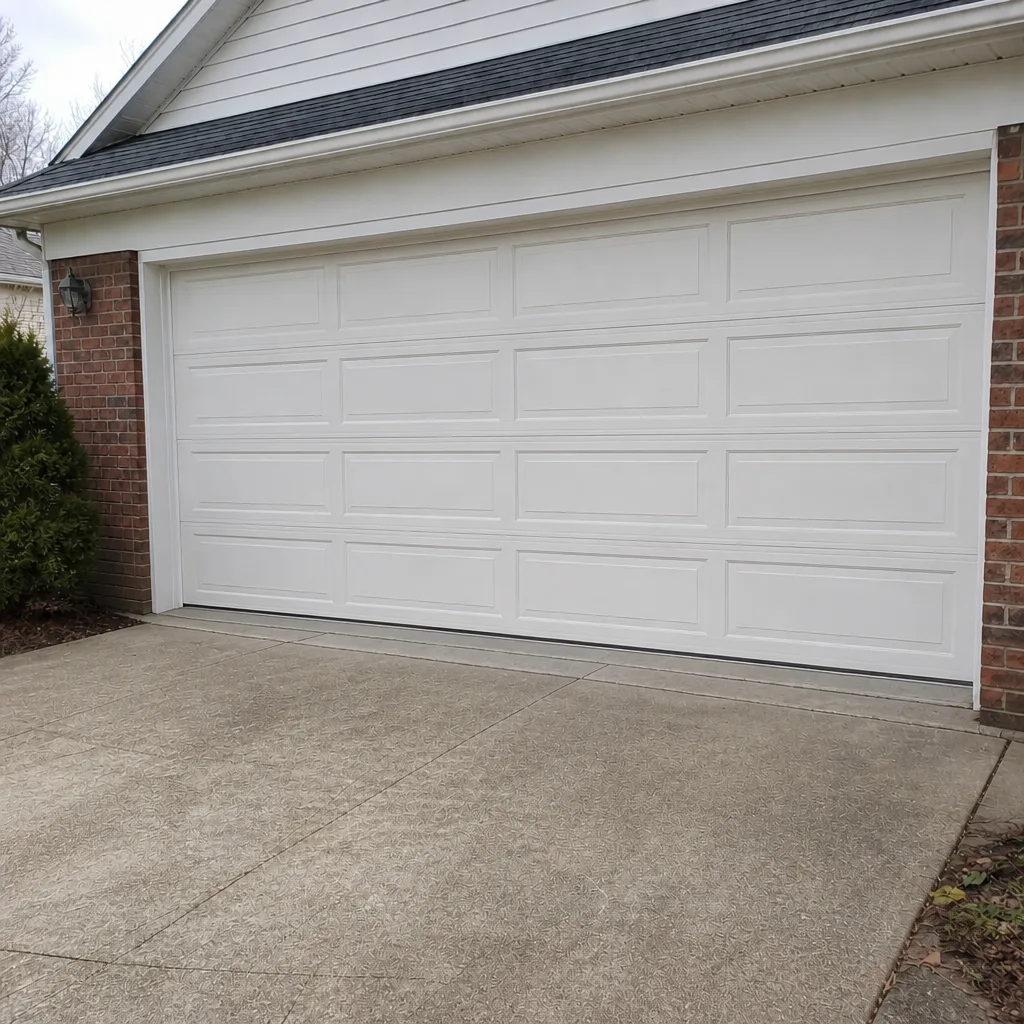 After
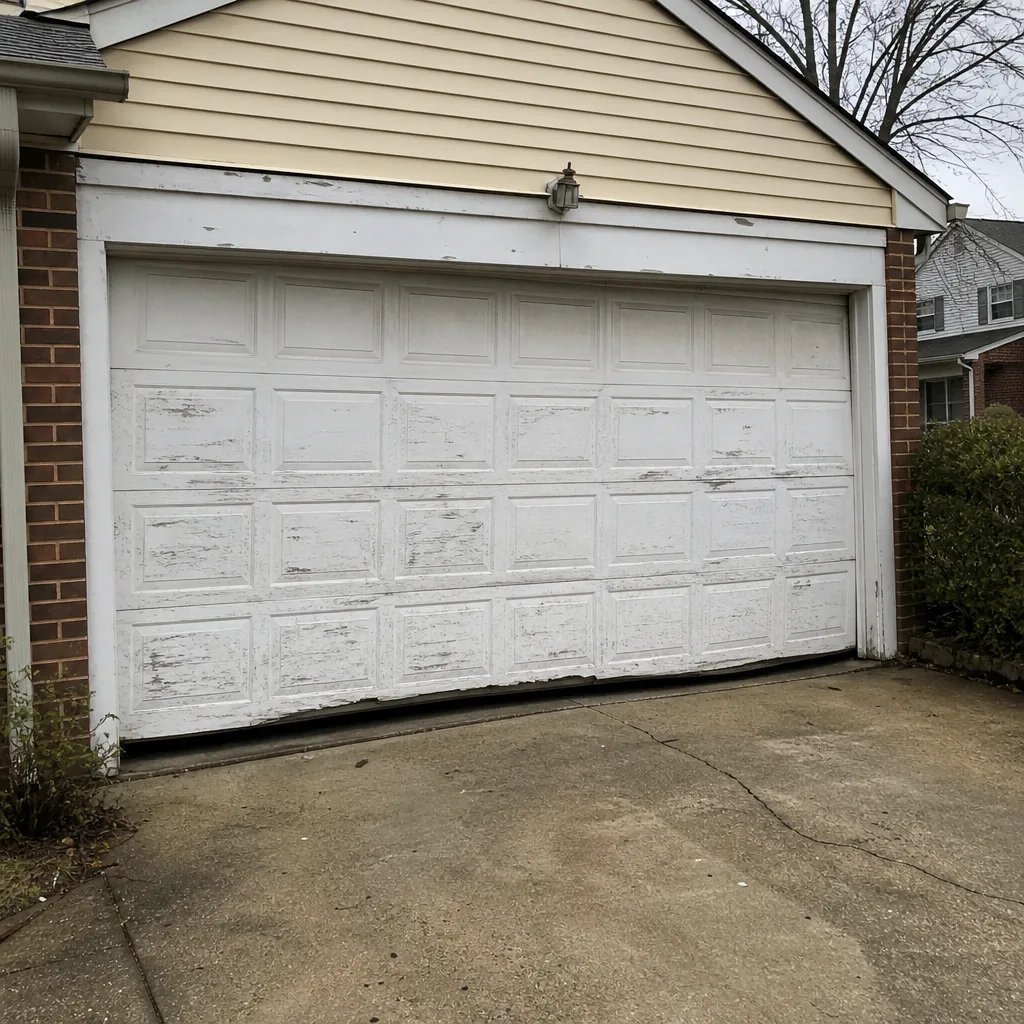 Before
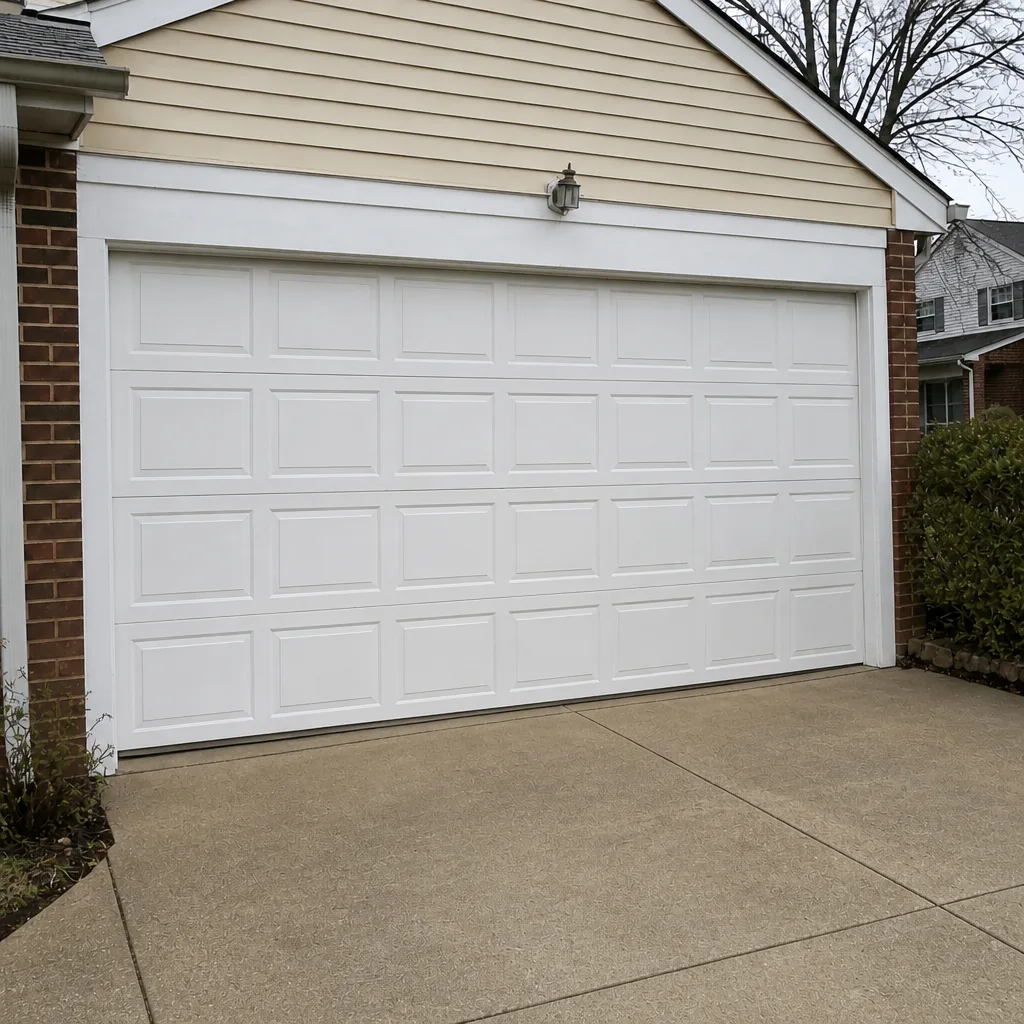 After
Common Mistakes to Avoid
- Greasing a shudder instead of finding its cause. A shuddering door is usually a worn drum or a loose bracket, not a lubrication problem. Grease quiets the symptom while the underlying part keeps wearing. Get the cause checked before you reach for the spray.
- Running the door after a spring snaps. A door with a broken spring is dead weight balanced on the remaining hardware. Continued use loads the opener and the cables far beyond their design, and it risks a sudden drop. Stop use immediately.
- Adjusting torsion springs yourself. Torsion springs are wound to high tension and store enormous force. A winding cone is not a homeowner component; treating it as one has caused serious injuries. Leave it to a trained professional.
- Assuming every problem is the opener. In our experience, more failed openers are the victim of a door that’s fighting resistance than the cause. Diagnosing the opener first often replaces the wrong part, and the underlying door problem wears out the new opener too.
- Ignoring a bottom seal gap during a Mechanicsville summer. A worn seal lets in air, water and insects and often signals a door that’s out of level. Check it in late spring or early summer, before the heat stretches the gap wider.
- Skipping the annual visual check. Two minutes every year catches most Tier 1 and Tier 2 signs before they escalate. Cable fraying, roller wear and seal compression are all visible without tools.
- Trusting a bent track to “straighten itself.” Tracks don’t self-correct. A bent track grinds the rollers and accelerates wear until the door jams. A scheduled repair is cheaper than a jammed door.
When to Call a Professional
Call a professional the moment a sign lands in Tier 3 – a broken spring, a fraying cable, a crooked door, or any door that’s come off its track. Call this week for a grinding door, a reversing door, or an opener that’s obviously straining. Call on a normal schedule for a squeak, a seal gap or a slightly out-of-level door. And call if you’ve tried the obvious fixes and the symptom returns. Mechanicsville Garage Door Repair Pros offers free estimates in Mechanicsville – call (855) 600-1041. Our technicians have up to 13 years of experience, and we work on LiftMaster, Chamberlain, Genie, Clopay, Amarr, Wayne Dalton, Craftsman and Raynor hardware by brand, so the first visit is a real diagnosis.
Frequently Asked Questions
A snapped torsion spring or a fraying cable is the most dangerous sign. Both mean the door’s weight is no longer fully supported, and the door can drop without warning. Stop operating the door and call for spring or cable repair the same day.
Rarely. Most failures announce themselves for weeks through sound, movement or opener behavior before anything breaks. The torsion spring that snaps loudly usually had a visible gap in the coil or had been losing lift for a while first. Paying attention to those early signs is what prevents the dramatic failure.
No. A shudder – especially on the way down – usually points to a worn cable drum groove, a loose roller bracket, or a bent hinge. Lubricating it makes the noise quieter without fixing the cause. Have the door looked at before the shudder turns into a jam or a drop.
Disconnect the door with the manual release and try to lift it by hand. If it moves stiffly or binds at a point, the door is the problem. If it moves smoothly, the opener is the problem. Don’t force a door that won’t lift – call for garage door opener repair and describe the symptom.
At least once a year for a visual inspection, plus a quick check any time the door starts sounding different. In late spring, check the bottom seal for gaps opening up as the heat sets in. If your Mechanicsville door sits on the sunny side of the house, look at the seal and paint on the bottom panel a little more often.
No. The written estimate is the price – we quote and agree on it before any work starts. An honest diagnosis on the first visit means the price shouldn’t move unless the job changes scope, and we won’t start work without your agreement. Call (855) 600-1041 for a free estimate on Mechanicsville Garage Door Repair Pros.
The Bottom Line
Every garage door failure tends to give notice before it happens. The job is reading the notice correctly – attributing the symptom to the right component rather than the nearest part you can name. Watch for those subtle movements, listen for what the noise is telling you, and check the cables, rollers and seal visually once a year. Sort what you find into the three tiers: schedule the squeaks and seals, book the grinding and reversing within the week, and stop using the door for anything involving a spring, a cable, or a crooked track. When a sign is in the top tier, hand it to a specialist and get the door back up safely. If anything in this guide matches what your door is doing, call (855) 600-1041 for a free estimate.
Written by the team at Mechanicsville Garage Door Repair Pros.