Last updated November 20, 2026
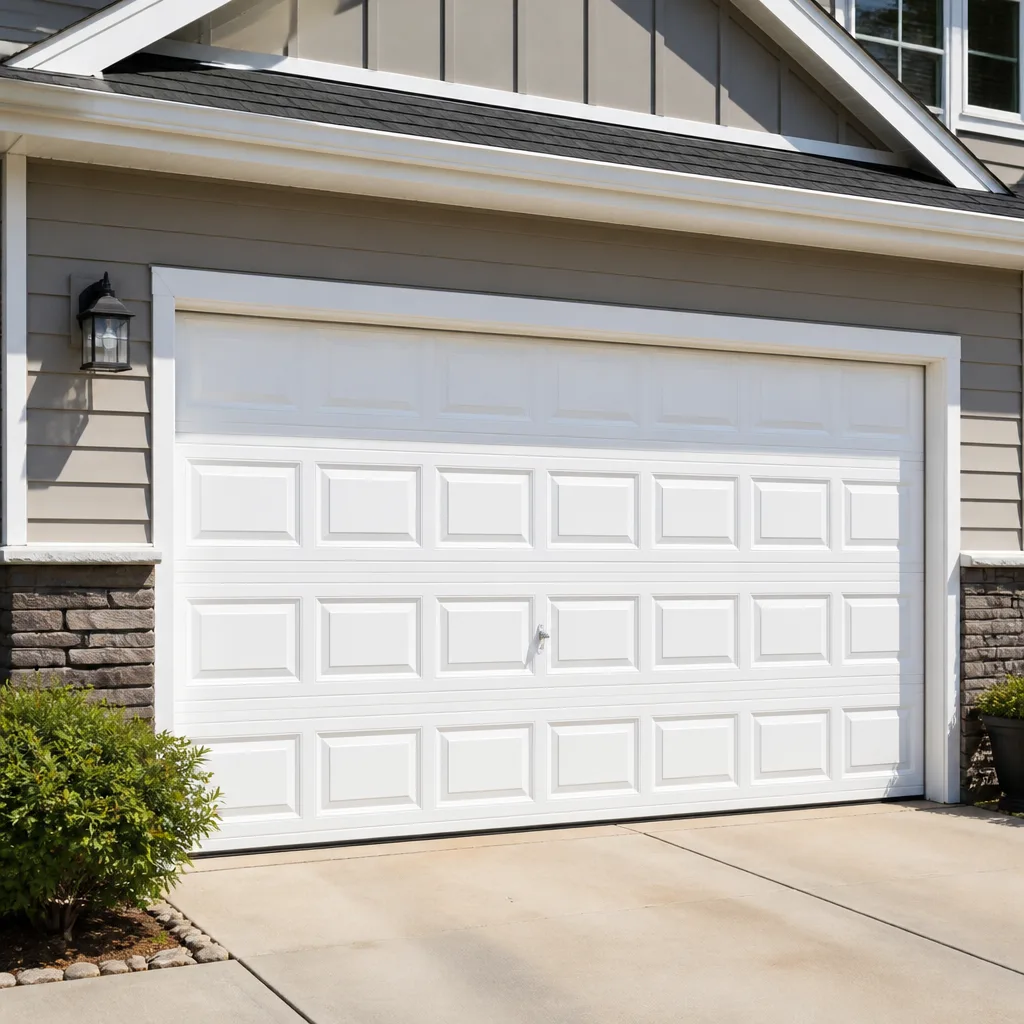 Raised-panel steel
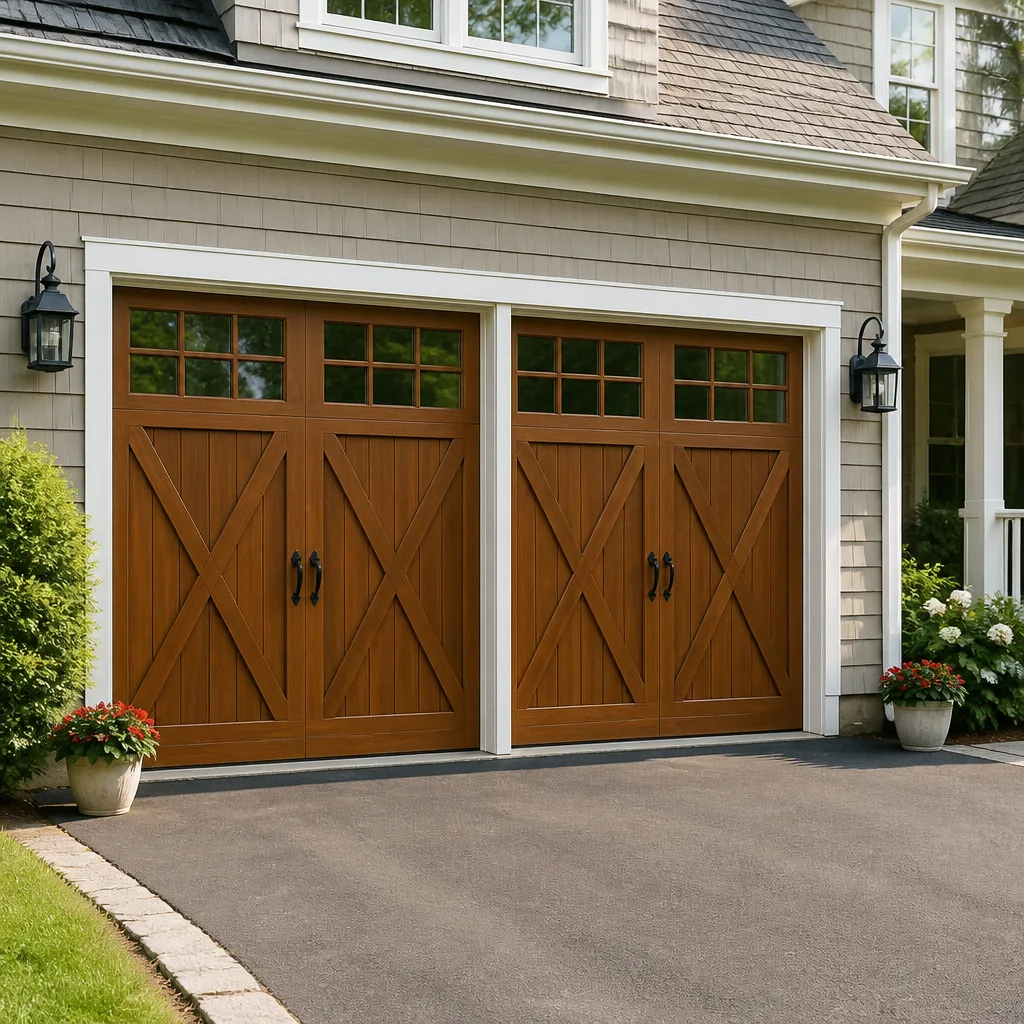 Carriage house
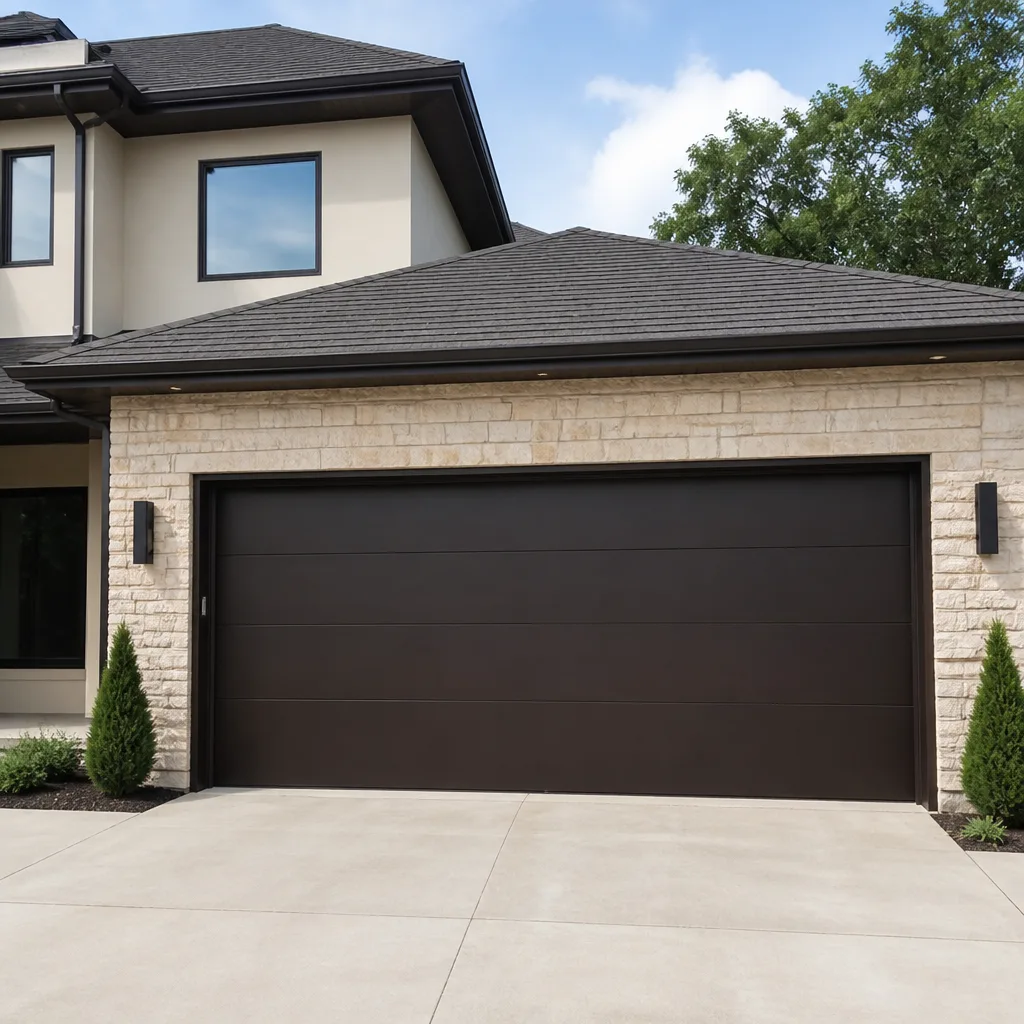 Modern flush
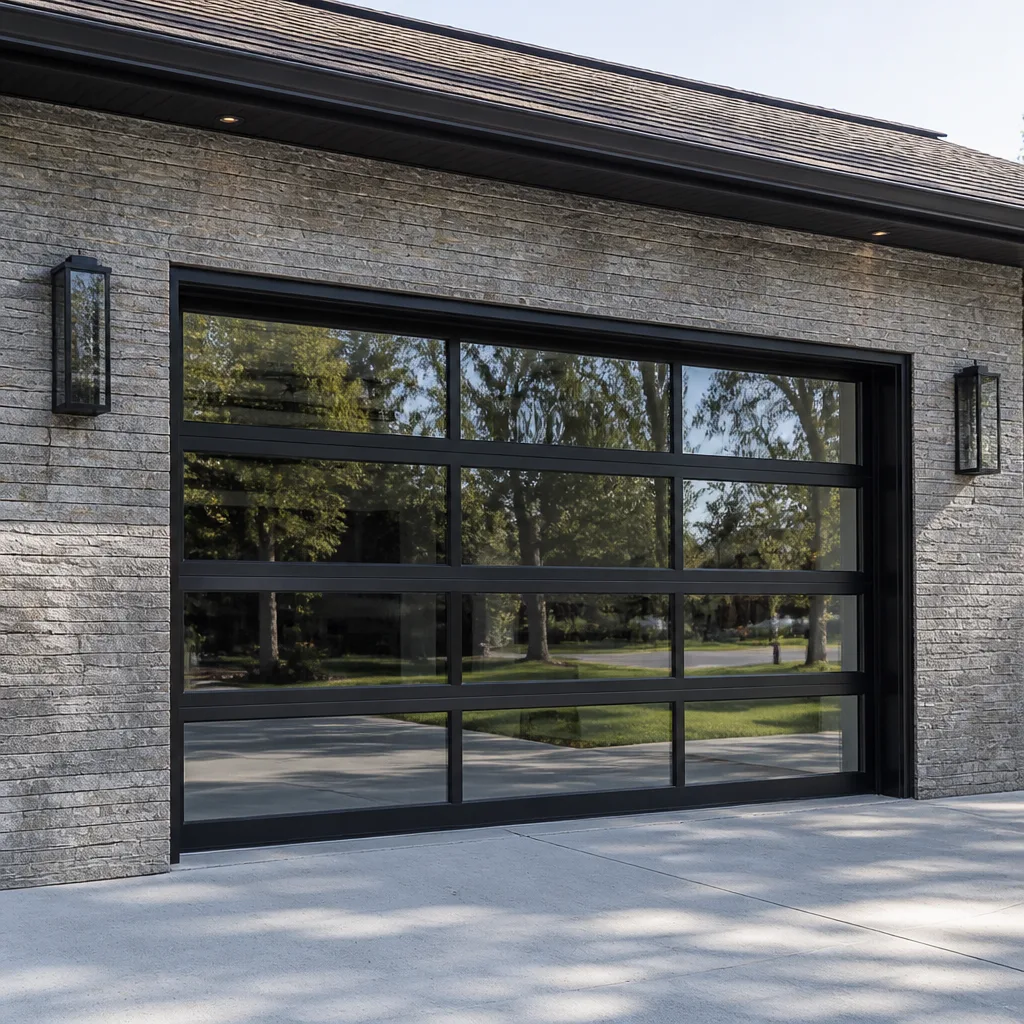 Full-view glass
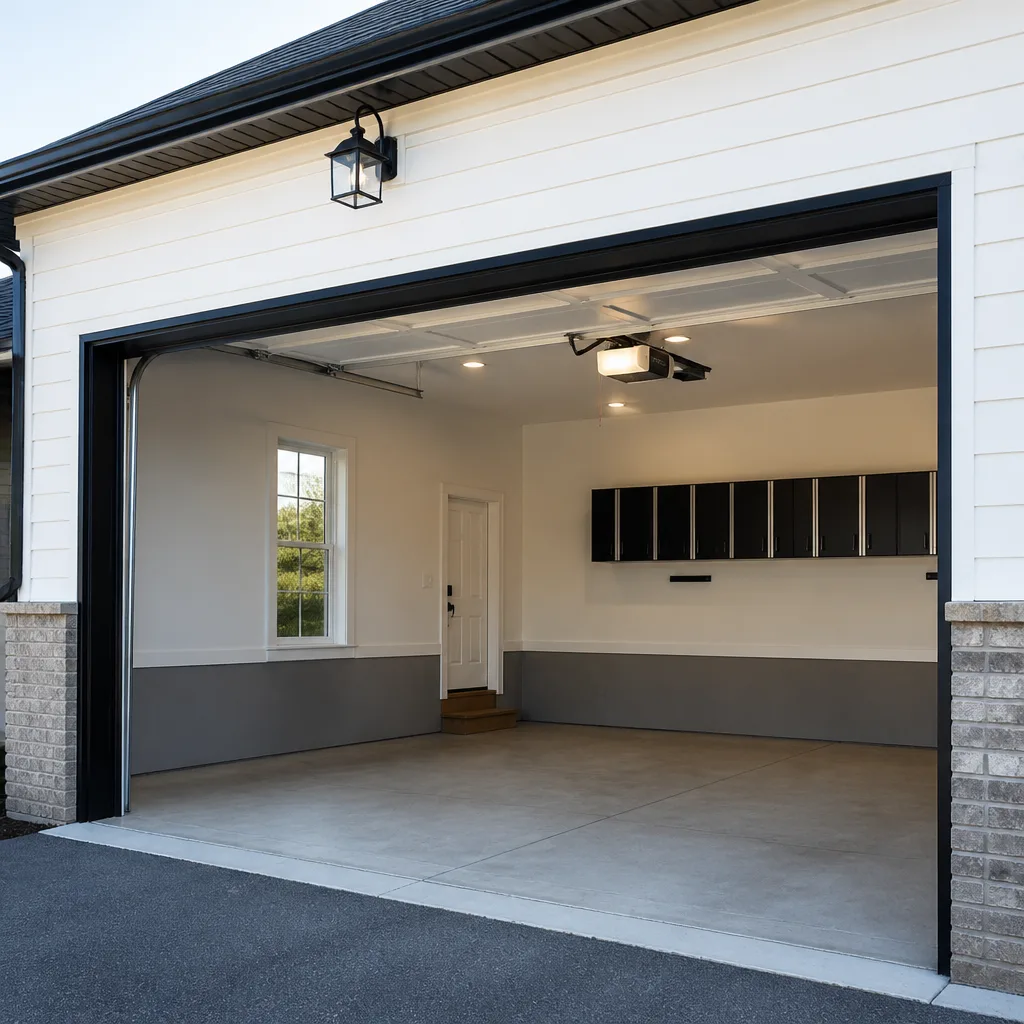 LiftMaster openers
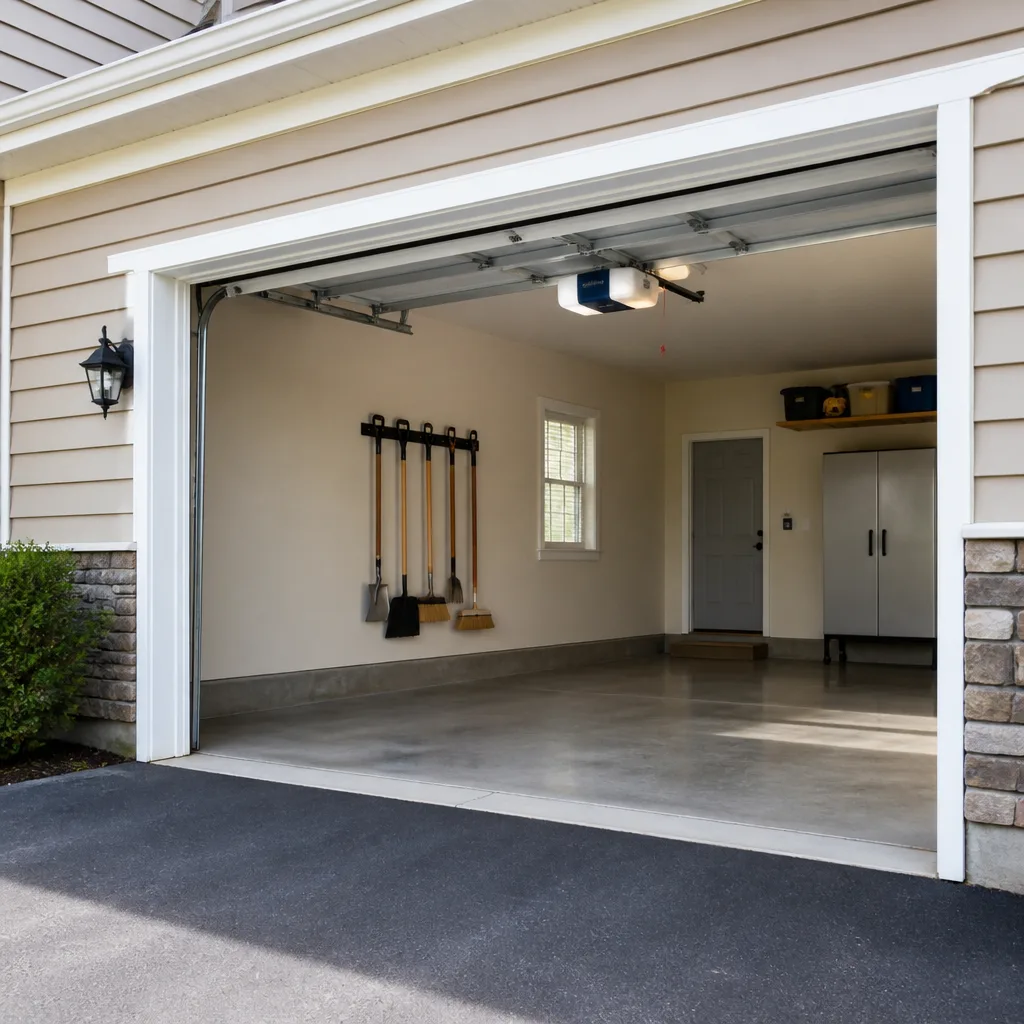 Chamberlain openers
Full 25-point door and opener safety check with every visit - springs, cables, rollers, tracks, and your LiftMaster or Chamberlain opener included
You get a price before we start. It does not change when the pro arrives.
Get your free estimateThe Complete Guide to Garage Doors in Mechanicsville
Most garage door advice you’ll find online is written as if every door is the same and every climate is the same. It isn’t. In Mechanicsville, the majority of homes built between roughly 1995 and 2015 went up with one of a handful of door and opener systems, and each one fails in a predictable sequence that most homeowners don’t recognize until something snaps. The other half of the story is Virginia’s humidity and the temperature swing between a July afternoon and a January morning, which work on springs, tracks, and hardware in ways that guides written for Arizona or Minnesota completely miss. This guide covers the hardware brands that dominate Mechanicsville subdivisions, how the local climate affects your door, and how to identify exactly what you have before you call anyone.
Quick Answer
A garage door in Mechanicsville is a system of four parts that wear at different rates: the door and panels, the torsion or extension springs, the tracks and rollers, and the opener. Knowing which brand system you have – LiftMaster, Chamberlain, Genie, Clopay, Amarr, Wayne Dalton, Craftsman, or Raynor – tells you what will likely fail first and what parts are available locally. Most repair calls come down to a worn spring, a misaligned track, or an opener logic board, and the fix depends entirely on identifying the exact hardware before touching it.
Styles & brands we work with
- Raised-panel steel
- Carriage house
- Modern flush
- Full-view glass
- LiftMaster openers
- Chamberlain openers
Table of Contents
- Which Garage Door Brands Dominate Mechanicsville Homes?
- How Virginia Humidity and Temperature Swing Affect Your Door
- How to Identify Your Spring System, Cable Drums, and Opener
- Panel Replacement vs. Full Replacement vs. System Upgrade
- Why Spring Repair Is High-Tension Work
- Opener Diagnostics: Legacy vs. Smart Systems
- Hanover County Permits: Replacement vs. Repair
- What Routine Maintenance Actually Prevents
Which Garage Door Brands Dominate Mechanicsville Homes?
The door brands you’ll find on Mechanicsville homes cluster around a few names, and that matters because parts availability and technician familiarity both depend on it. Clopay and Amarr door sections are common on homes from the 1995-to-2015 build wave, with Wayne Dalton showing up on a good share of builder-grade installs. On the opener side, LiftMaster and Chamberlain dominate, with Genie and Craftsman filling in the rest and Raynor and Wayne Dalton hardware appearing on specific subdivisions. Knowing your brand isn’t trivia – it’s the difference between a technician who arrives with the right logic board in hand and one who has to guess.
Here’s why the brand matters in practice:
- Clopay and Amarr panels have specific profile dimensions, so a replacement section has to match the original profile or it won’t sit flush.
- Wayne Dalton doors often use the TorqueMaster spring system, which is a self-contained torsion unit that’s serviced differently from a standard torsion bar.
- LiftMaster and Chamberlain openers share a lot of internal architecture, so a technician familiar with one generally reads the other quickly – but the logic boards and travel limits differ by model year.
- Genie and Craftsman openers, particularly screw-drive units, develop their own wear patterns on the drive screw and carriage that generic troubleshooting misses.
- Raynor hardware has its own drum and cable configuration that a generalist handyman will misread.
We work on your brand, which is why we keep our service menu narrow. Garage doors are all we do, and that focus is why we can diagnose by brand instead of by assumption. When you call Mechanicsville Garage Door Repair Pros, the technician already knows the failure sequence for LiftMaster logic boards, Genie screw drives, and Wayne Dalton TorqueMaster springs.
How Virginia Humidity and Temperature Swing Affect Your Door
Virginia’s climate is hard on garage doors in specific, predictable ways. Summer humidity swells wood door frames and can cause steel panels to expand slightly in their tracks, while the drop to a cold January morning contracts metal and changes how a torsion spring behaves. A torsion spring’s tension is calibrated to a specific number of turns, and that calibration assumes a stable temperature. When the temperature swings forty degrees over a week, the spring doesn’t fail instantly, but it works harder, and a spring that’s already near the end of its cycle count will let go sooner than one in a milder climate.
The humidity side is just as important. Here’s what the local climate does to a door over a season:
- Track alignment shifts. Wood framing moves with moisture, and a track mounted to that framing can drift a fraction of an inch, enough to make rollers bind and the door drag.
- Rollers dry out and flat-spot. Steel rollers with sealed bearings hold up better than nylon, but both develop flat spots if the door sits in one position for long stretches.
- Hardware loosens. Hinges, brackets, and lag screws back out slowly from the vibration of daily cycling, and humidity speeds the process by swelling the wood they’re anchored into.
- Steel panels rust at the bottom edge. The bottom section takes the brunt of ground moisture, and a small rust spot at the bottom seal is the first sign of a panel that needs attention.
- Springs lose tension gradually. A torsion spring doesn’t always snap – sometimes it just weakens over months, and you notice the door getting heavier before it fails outright.
None of this is dramatic day to day, but it adds up. A garage door in Mechanicsville that gets a yearly inspection and lubrication will outlast the same door left alone, and it’ll fail less often in the middle of a cold snap when you least want to deal with it.
How to Identify Your Spring System, Cable Drums, and Opener
Before you call anyone, you can identify a lot about your door just by looking. This isn’t about doing the repair yourself – spring work is genuinely dangerous – but about knowing what you have so the conversation starts in the right place. Here’s how to read your own hardware:
- Find the springs. Open the door and look above it. If you see a horizontal bar with springs coiled around it, you have a torsion system. If the springs run along the horizontal tracks on each side, you have extension springs.
- Check the spring color code. Torsion springs are painted at one end with a color that indicates wire gauge and inside diameter. That code tells a technician exactly what replacement to bring.
- Look at the cable drums. The drums at each end of the torsion bar come in different sizes, and the drum size has to match the door height and weight. A mismatched drum is a common cause of cable problems.
- Read the opener label. The model number is usually on a sticker on the motor housing or the back of the rail. LiftMaster and Chamberlain labels are typically on the motor head; Genie and Craftsman labels vary by generation.
- Note the door material and panel count. Steel, wood, and aluminum doors have different weights and different repair paths, and the number of panels tells you whether a section replacement is even possible.
If you can tell us the spring color code and the opener model, we’re already halfway to a diagnosis before we arrive. That’s the practical value of knowing your own hardware: you skip the back-and-forth. For issues that clearly point to the door itself rather than the opener or spring, our garage door repair page covers the common failure modes in more detail.
Panel Replacement vs. Full Replacement vs. System Upgrade
The right call depends on the age and condition of the door, not on a flat rule. A door that’s structurally sound but has one dented or rusted panel is usually a panel replacement. A door that’s 25 years old with rust at multiple seams, worn rollers, and a sagging section is usually a full replacement. A door that’s fine but paired with an opener that’s failing or too old to support modern safety features is a system upgrade. Each has a clear financial logic at a different door age.
Here’s how the three options break down:
- Panel replacement: Best when the door is under about 15 years old, the frame and tracks are straight, and the damage is localized. You’re paying for one section plus labor. The catch is that the replacement panel has to match the original profile and color, which is easier on Clopay and Amarr doors than on discontinued lines.
- Full door replacement: The right choice when multiple panels are compromised, the door sags or binds no matter how it’s adjusted, or the door predates modern safety standards. The whole assembly comes out and a new one goes in, including tracks and hardware.
- System upgrade: Makes sense when the door itself is solid but the opener is a legacy unit without modern safety reversing, or the existing springs are undersized for the door weight. You keep the door and modernize what moves it.
We’ve seen plenty of doors where the owner was quoted a full replacement and only needed a panel, and the reverse. The honest answer usually comes down to two questions: how old is the door, and can a matching panel still be sourced? If you’re weighing a new opener as part of the decision, our garage door opener repair page explains what’s repairable versus what’s worth replacing.
Why Spring Repair Is High-Tension Work
Spring repair is high-tension work, and that’s not a marketing line – it’s the reason we treat it as a dedicated specialty rather than an add-on. A torsion spring under load stores enough energy to cause serious injury if it’s released without the right winding bars and procedure, and extension springs carry the same risk if the safety cables aren’t intact. This is the one part of garage door work where the safety stakes are real and immediate, and it’s why we don’t walk homeowners through a DIY spring replacement.
What you can do is recognize the signs a spring needs attention:
- The door feels unusually heavy when you lift it by hand (with the opener disconnected).
- The door opens a few inches and stops, or won’t stay up.
- You hear a loud bang from the garage – a torsion spring snapping makes a sharp crack.
- The door looks crooked, with one side higher than the other.
- The gap between spring coils has changed, or you can see a visible break in the spring.
If any of these show up, stop using the opener. Running a door with a broken spring puts the whole load on the opener and can damage it, and it can also drop the door. A trained technician with the right winding bars and the correct spring for your door’s weight and height handles this safely. Our garage door spring repair service exists for exactly this reason – it’s the one repair we never recommend an owner attempt. One note on cost: springs are quoted per spring, and a matched pair is usually replaced together because a new spring paired with a worn one fails unevenly.
Opener Diagnostics: Legacy vs. Smart Systems
Opener problems look alike from the outside – the door won’t respond, or it responds partway – but the diagnosis splits sharply between legacy units and modern smart systems. Legacy LiftMaster and Chamberlain openers from the 1990s and 2000s have well-documented failure points: the logic board, the travel limits, and the safety sensor wiring. Smart and Wi-Fi-enabled openers add a layer of connectivity issues that a generalist handyman won’t think to check, because the problem isn’t the door at all – it’s the network or the app pairing.
Here’s the diagnostic order we use, which is also a useful checklist for you:
- Check the power and the safety sensors first. A tripped breaker or a misaligned sensor stops the door as reliably as a dead motor, and it’s the most common cause of a door that won’t close.
- Test the wall switch and the remote separately. If the wall switch works but the remote doesn’t, the problem is in the remote or the receiver, not the opener.
- Listen to the motor. A humming motor that doesn’t move the door points to a stripped gear or a bound door; a silent motor points to power or the logic board.
- Check the travel limits and force settings. A door that reverses immediately or stops partway is often a limit setting, not a failed part.
- For smart openers, check the pairing. A LiftMaster or Chamberlain unit that works from the wall but not the app usually needs a re-pair, not a repair.
Brand-specific diagnostics matter here because the same symptom means different things on a Genie screw drive than on a LiftMaster belt drive. That’s the difference between a technician who reads the model and knows the failure sequence and one who starts swapping parts.
Hanover County Permits: Replacement vs. Repair
Hanover County, which covers much of the Mechanicsville area, treats a full garage door replacement differently from a repair, and the line matters before you schedule work. A repair – a spring, a panel, an opener, a track adjustment – is generally not a permitted project. A full door replacement is a structural change to the opening and typically requires a permit. The exact requirements can vary, so the right move is to confirm with Hanover County’s building department before the work is scheduled, and to ask the contractor whether the permit is included.
What you should know going in:
- Ask who pulls the permit. On a replacement, the permit is part of the job, and a contractor who shrugs at the question is a warning sign.
- Confirm the inspection step. If a permit is required, there’s usually an inspection after the install, and you should know it’s coming.
- Keep the paperwork. Permit and inspection records matter if you sell the home, and they document that the replacement was done to code.
- Repairs don’t usually need one. Spring, opener, and panel work generally falls under repair and doesn’t trigger the same requirement, but confirm for your specific address.
We don’t guess at permit rules for your address – we tell you to verify with the county, and we’ll work with whatever the county requires. It’s a short call to the building department that saves a headache later.
What Routine Maintenance Actually Prevents
Most of the expensive garage door failures we see trace back to something that a yearly check would have caught. Lubrication on the springs, hinges, and rollers; a visual inspection of the cables for fraying; a check that the tracks are plumb and the hardware is tight; and a balance test with the opener disconnected. None of it is complicated, and all of it buys time. A door that’s balanced, lubricated, and aligned puts less stress on the opener and the springs, which is where the real money goes when something fails.
The one thing to leave alone is the spring tension adjustment. Lubricating a torsion spring is fine; winding one is not a homeowner task. Everything else on the list is safe to check, and if you find something that looks off – a frayed cable, a track that’s pulled away from the frame, a door that won’t stay level – that’s the point to call. Routine maintenance is also the cheapest way to avoid a surprise in the middle of a cold snap, when a weak spring is most likely to let go.
Common Mistakes to Avoid
- Assuming every door is the same. A Wayne Dalton TorqueMaster spring is serviced completely differently from a standard torsion bar, and treating them the same is how expensive mistakes happen. Know your brand before you call.
- Letting a generalist handyman touch the springs. Spring work needs the right winding bars and the right spring for your door’s weight, and a handyman who “figures it out on the fly” is a real safety risk in a Mechanicsville garage. Garage doors are all we do for a reason.
- Running the opener on a broken spring. This is the single most common way a cheap spring repair turns into an opener replacement. Stop using the door the moment it feels wrong.
- Ignoring a small track misalignment. Virginia humidity moves wood framing, and a track that’s off by a fraction of an inch will wear out rollers fast. Small alignment issues are cheap to fix and expensive to ignore.
- Replacing a whole door when one panel would do. If the door is under about 15 years old and a matching panel is available, a section replacement is usually the better call. Get a second opinion before committing to a full replacement.
- Skipping the permit question on a replacement. In Hanover County, a full replacement usually needs a permit and a repair usually doesn’t. Confirm with the building department before the work is scheduled, not after.
- Buying an opener without checking compatibility. A new smart opener has to work with your door’s weight and your existing safety sensors. Pairing the wrong unit wastes money and time.
See the difference
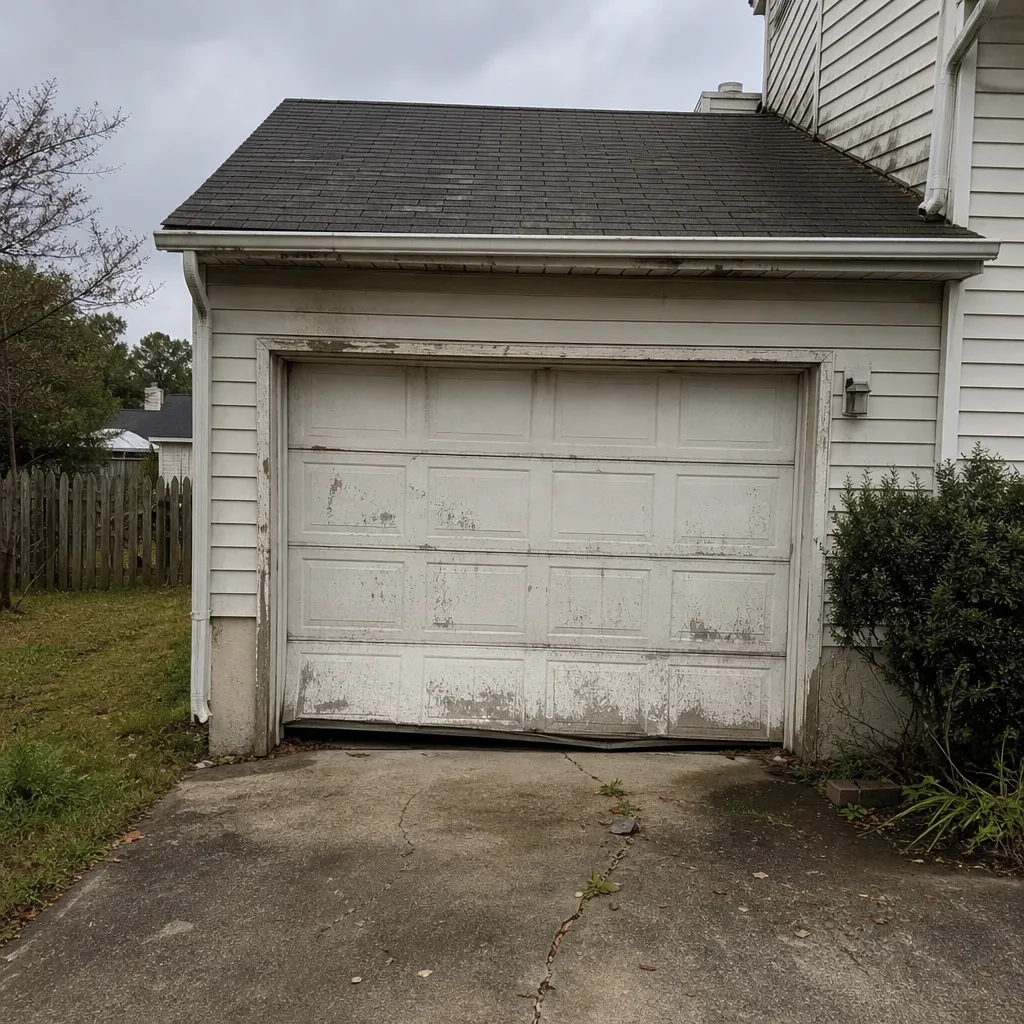 Before
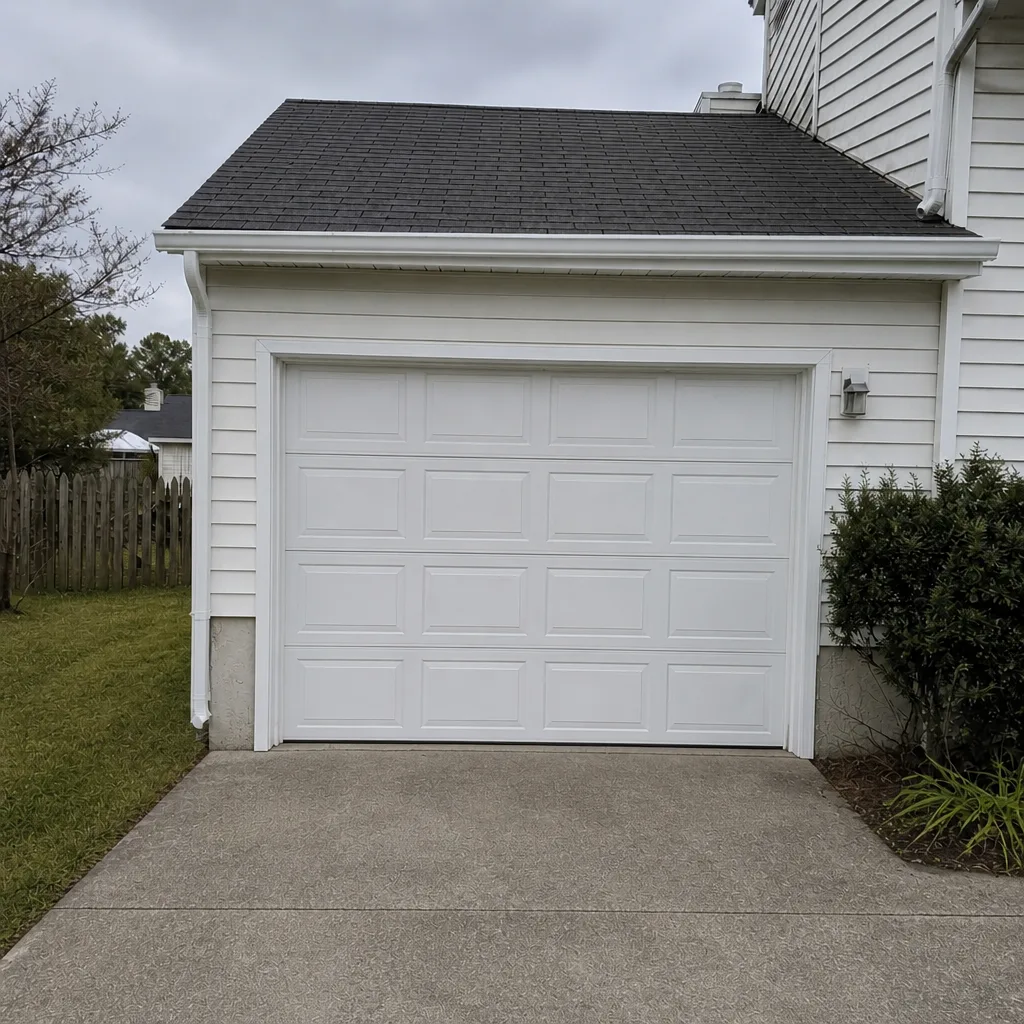 After
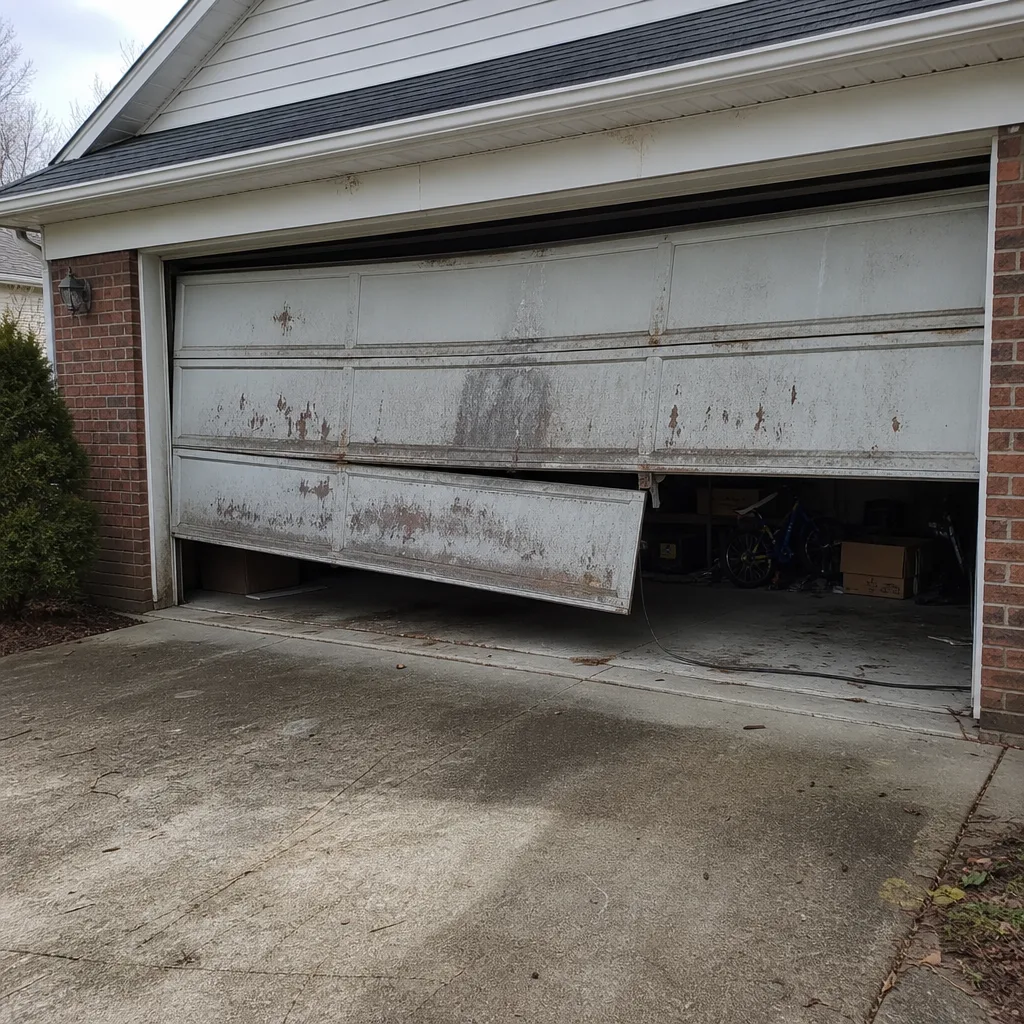 Before
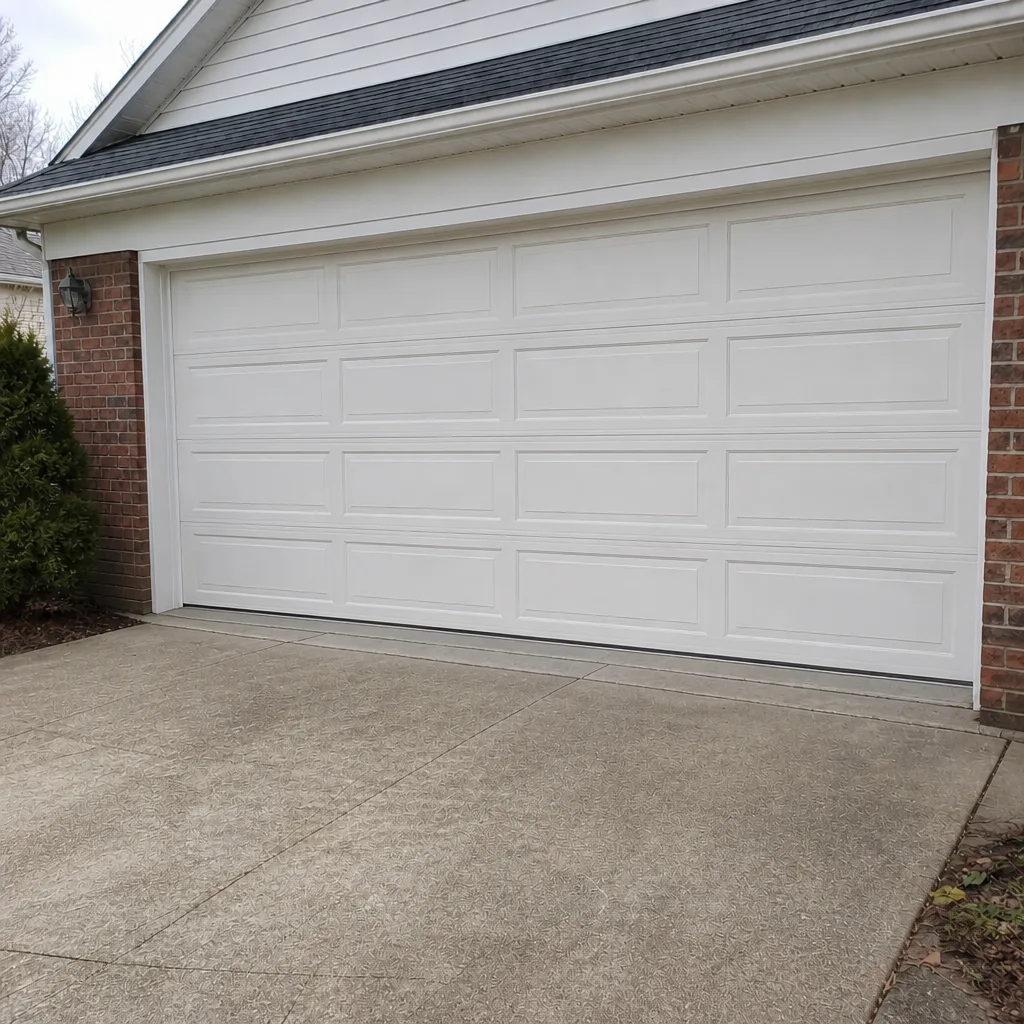 After
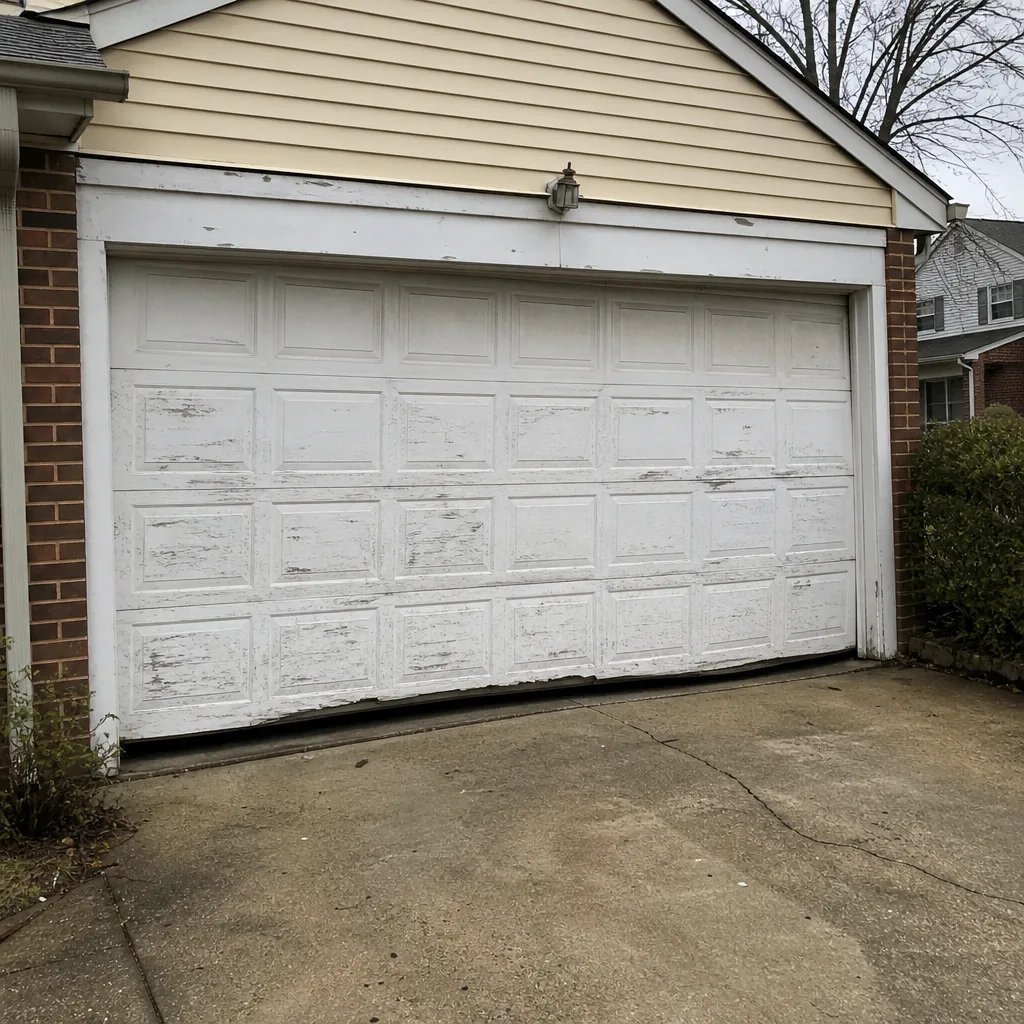 Before
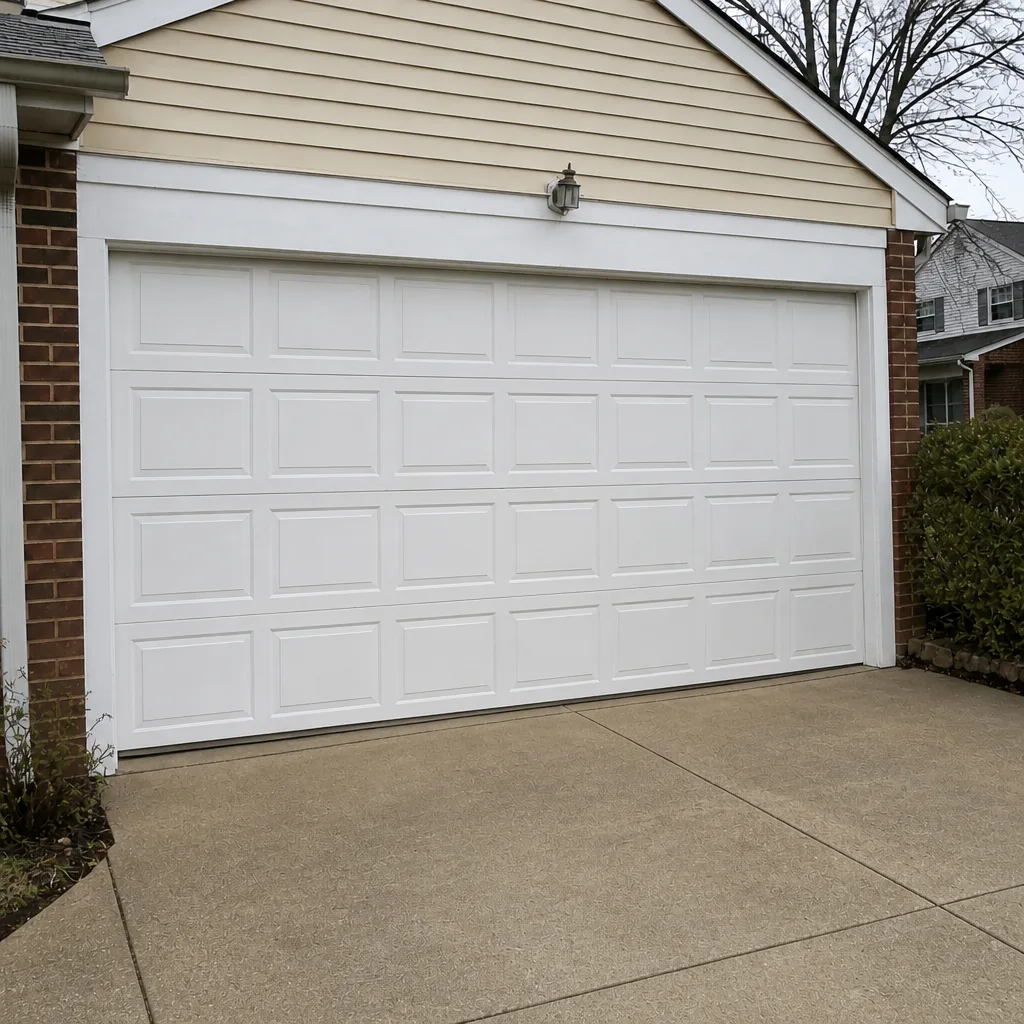 After
When to Call a Professional
Some garage door problems are genuinely a call-a-pro situation, and it’s worth being clear about which. A broken spring, a snapped cable, a door that’s come off its tracks, a door that won’t stay closed, or any grinding or banging noise from the opener are all signs to stop using the door and get a technician out. The same goes for a door that looks crooked – a door that’s out of balance puts stress on everything else and gets worse the longer it runs. For those, our garage door repair service is the starting point.
Mechanicsville Garage Door Repair Pros offers free estimates in Mechanicsville – call (855) 600-1041. Our technicians have up to 13 years of experience across the eight major brands, and we quote the price before any work starts, so you know what you’re approving before the first tool comes out.
Frequently Asked Questions
Spring pricing is quoted per spring, not per door, and a matched pair is usually replaced together because pairing a new spring with a worn one causes uneven wear. Because the final number depends on your door’s weight, height, and spring type, we quote it in writing after we see the door. Call (855) 600-1041 for a free estimate – the price is agreed before any work starts.
In most cases, yes – a door that won’t close is often a sensor, limit, or spring issue, and we aim to get you back up and running the same day. Call (855) 600-1041 and we’ll confirm what’s available. Repairs move fast; a full replacement is a scheduled job because the door has to be measured and ordered.
No – the written estimate sets the price, and we quote it after we’ve inspected the door and identified the exact hardware. If we find something that changes the scope, we tell you before we do the work, not after. Call (855) 600-1041 and we’ll walk you through it.
The local pro who performs the work is licensed and insured as their state requires. We connect you with vetted local professionals who work on the eight major brands – LiftMaster, Chamberlain, Genie, Clopay, Amarr, Wayne Dalton, Craftsman, and Raynor – so the technician arrives familiar with your system. Call (855) 600-1041 with your door and opener model and we’ll get you scheduled.
Look above the door: a horizontal bar with springs coiled around it is torsion, and springs running along the side tracks are extension. The spring color code and drum size tell a technician exactly what replacement is needed. Don’t adjust the tension yourself – spring work is high-tension and genuinely dangerous. Call (855) 600-1041 and we’ll confirm what you have.
A full replacement generally requires a permit in Hanover County, while a repair – spring, opener, panel, or track – usually doesn’t. Confirm with Hanover County’s building department for your specific address before the work is scheduled. We’ll work with whatever the county requires and can answer questions about the process. Call (855) 600-1041 for a free estimate.
The Bottom Line
The most useful thing you can do as a Mechanicsville homeowner is know your own hardware. Your door brand, spring type, and opener model tell a technician most of what they need before they arrive, and that knowledge is what separates a targeted repair from a guessing game. Virginia’s humidity and temperature swing put specific stress on springs and tracks, and the right fix depends on the door’s age and condition – panel, full replacement, or system upgrade. Keep the springs off your DIY list, confirm the permit question on a replacement, and call when something looks wrong. Back up and running starts with the right diagnosis.
Written by the team at Mechanicsville Garage Door Repair Pros.